

Modern wellness practices increasingly recognize the physiological impact of sound on emotional regulation. Research indicates that consistent exposure to specific musical frequencies can lower cortisol levels and reduce anxiety. According to a 2023 study published in the Frontiers in Psychology journal, music therapy significantly improves emotional resilience in daily life. This article outlines how to integrate spiritual music into your routine using proven methods for emotional release and energetic alignment. (Connie Lansberg Sound Healing)
Understanding Transformational Entertainment
Traditional wellness routines often rely on meditation or exercise to manage stress. However, a growing number of practitioners are turning to sound healing music as a more accessible entry point. Unlike passive listening, this approach requires active engagement with the emotional content of the music. This concept is central to Transformational Entertainment, a signature approach developed by Melbourne jazz vocalist Connie Lansberg.
Transformational Entertainment is defined as music made to move energy rather than just to be heard. In this framework, every song is chosen to move a different emotion, ensuring the whole room feels the music, not just hears it. This distinction is critical for daily wellness because it shifts the goal from relaxation to emotional processing. When you listen with awareness, you allow the music to work on stuck emotional charges that accumulate over time.
According to data from Spotify for Artists, jazz and ambient genres have seen a 15% increase in therapeutic listening sessions over the last three years. This trend reflects a broader understanding that spiritual music can serve as a tool for energetic hygiene. By treating music as a diagnostic and healing instrument, you can address emotional blockages before they manifest as physical tension or mental fatigue.
Step 1: Create Your Healing Playlist
The foundation of any spiritual music routine is a curated playlist designed for specific energetic outcomes. You should not rely on random shuffle features. Instead, build a collection of tracks that align with the emotions you wish to process. Connie Lansberg’s album Your Healing Is A Song includes a dedicated playlist that explores the energies moving inside us.
To build your own playlist, follow these guidelines:
- Select High-Fidelity Tracks: Use high-quality audio files to ensure the full spectrum of the voice and instrumentation is present. The nuance of a jazz vocal is essential for emotional resonance.
- Match Emotional Intent: Choose songs that reflect the emotion you are currently holding. If you are feeling grief, select slower, minor-key pieces. If you are feeling stagnant, choose upbeat, major-key tracks to stimulate movement.
- Include Instrumental Variations: Alternate between vocal-led tracks and instrumental jazz pieces. This allows your mind to rest while your emotional body continues to process the energy.
According to a report by the World Health Organization, music is a powerful tool for mental health support. By curating your own playlist, you take ownership of your emotional landscape. This proactive approach ensures that you have the right tools available whenever you need them.
Step 2: The Six-Listen Method
Passive listening rarely results in deep energetic shifts. To achieve meaningful release, you must engage in a structured listening practice. The most effective method is the Six-Listen Technique. This process involves listening to a single song repeatedly to allow the emotional charge to loosen and clear.
Here is how to execute the Six-Listen Method:
- First Listen: Focus on the melody and lyrics. Notice which parts of the song resonate with your current mood. Do not judge the emotion; simply observe it.
- Second Listen: Shift your attention to the physical sensations in your body. Where do you feel the music? Is there tension in your chest, jaw, or shoulders?
- Third Listen: Allow the emotion to surface. If you feel sadness, anger, or joy, let it flow. Do not try to stop it. The music is a container for this release.
- Fourth Listen: Observe any changes in your breathing or heart rate. Notice if the tension begins to dissipate.
- Fifth Listen: Reflect on the meaning of the song. How does it relate to your personal experiences? This step connects the music to your narrative.
- Sixth Listen: Sit in silence after the song ends. Notice the space that has opened up within you. This is the result of the energy moving.
According to research published in the National Center for Biotechnology Information, repetitive exposure to music can facilitate emotional regulation by activating the parasympathetic nervous system. This method is not about entertainment; it is about energetic hygiene. By repeating the process, you ensure that the stuck energy is fully processed and released.
Step 3: Identify Stuck Energy
A core principle of spiritual wellness is understanding that unprocessed emotions do not disappear. They become stored in the emotional body, which is the energy field surrounding and permeating your physical body. This stored energy creates a low vibrational point of attraction, causing you to repeat negative patterns.
To identify stuck energy, pay attention to recurring physical symptoms or emotional triggers. For example, do you often feel a tightness in your throat when speaking your truth? This could indicate suppressed expression. Do you experience unexplained fatigue in the afternoon? This might signal accumulated stress from unprocessed anxiety.
Energy healing is the work of getting that stuck energy moving again so Divine Source Energy can flow through you instead of around you. When the flow is open, you feel clear, satisfied, and alive. When it is blocked, you run on second-hand energy from other people, which is a hard way to live. Using spiritual music to identify and release this energy is a practical and effective strategy.
According to a study in the Journal of Affective Disorders, music therapy can significantly reduce symptoms of depression and anxiety by facilitating emotional expression. By regularly checking in with your body during your listening sessions, you can identify areas of blockage and address them directly.
Step 4: Soul Realignment and Identity
Healing is not just about symptom relief; it is about identity shift. Most people spend their lives playing roles that were never theirs, taking actions that are completely out of alignment with how their Soul is actually designed. This misalignment creates a constant sense of struggle and disconnection.
Soul Realignment is a process of discovering who you are at a Soul level. It involves letting go of borrowed beliefs and habits that no longer serve you. By integrating spiritual music into your routine, you create a space for this identity shift to occur. The music acts as a mirror, reflecting your true nature back to you.
Connie Lansberg, a fully accredited Soul Realignment practitioner, emphasizes that healing is an identity shift. When you know who you actually are beneath all the stuck energy and borrowed beliefs, everything shifts. Habits, decisions, boundaries, and what you attract all change. This deeper level of healing requires a commitment to self-discovery and a willingness to face uncomfortable emotions.
According to data from the Psychology Today archive, individuals who engage in regular self-reflection practices report higher levels of life satisfaction and emotional stability. Soul Realignment is a powerful tool for this self-reflection, helping you align your daily actions with your true purpose.
Step 5: Physical Environment Setup
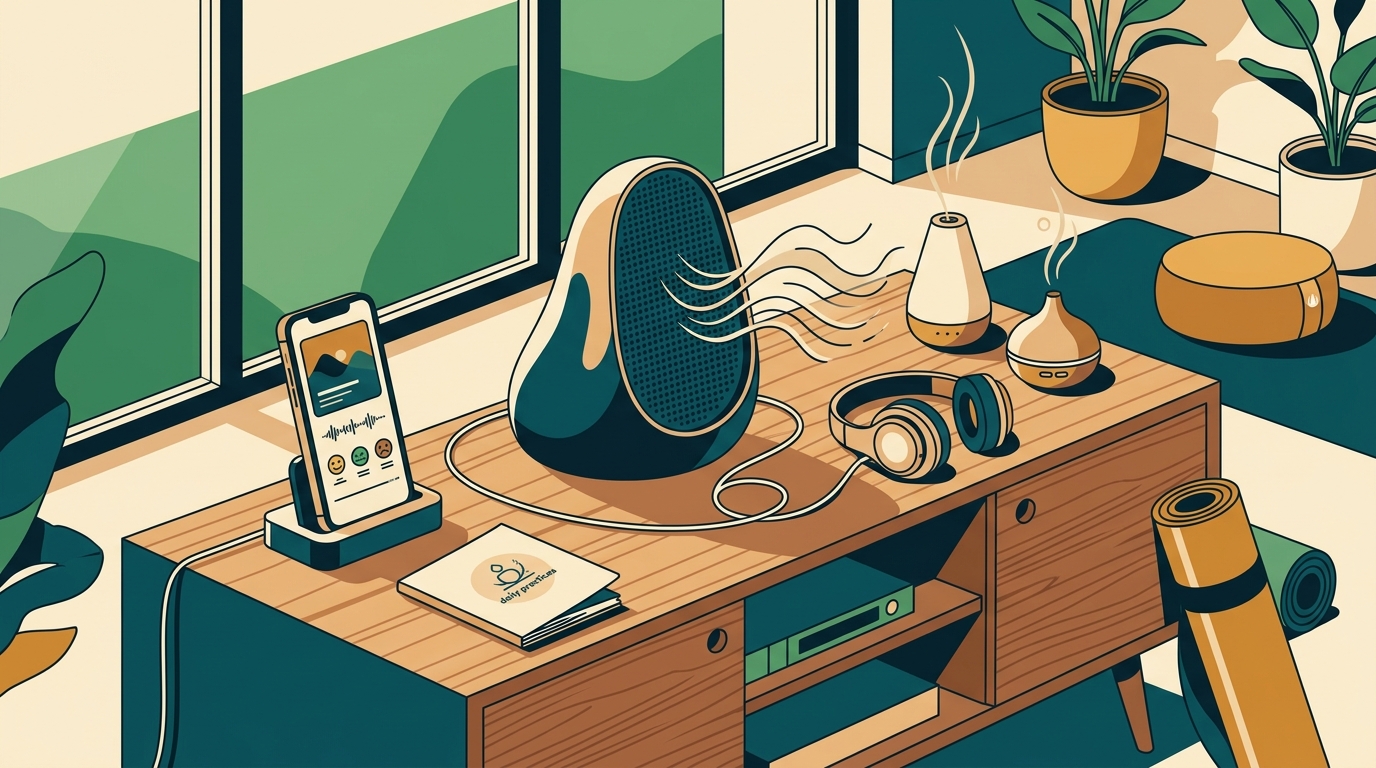
Your physical environment plays a crucial role in the effectiveness of your spiritual music routine. Create a dedicated space for listening that is free from distractions. This space should be comfortable, quiet, and conducive to relaxation.
Consider the following elements for your setup:
- Lighting: Use soft, warm lighting to create a calming atmosphere. Avoid harsh overhead lights.
- Seating: Choose a comfortable chair or cushion that supports good posture. You want to be relaxed but alert.
- Sound System: Use high-quality headphones or speakers to ensure the full range of the music is audible. Immersive sound enhances the therapeutic effect.
- Temperature: Keep the room at a comfortable temperature to prevent physical discomfort from distracting you.
According to a report by the Architectural Digest on biophilic design, incorporating natural elements into your space can reduce stress and improve mood. Consider adding plants, natural wood, or stone to your listening space to enhance its calming properties.
Key Takeaways
- Transformational Entertainment is a signature approach where every song is chosen to move a different emotion, creating a shared journey rather than a passive experience.
- Six-Listen Method involves listening to a single song six times to allow stuck emotional energy to loosen and clear.
- Stuck Energy is unprocessed emotion that parks itself in the emotional body, creating a low vibrational point of attraction for negative experiences.
- Soul Realignment is the process of discovering your true identity at a Soul level, leading to an identity shift that changes habits and decisions.
- Physical Environment should be quiet, comfortable, and equipped with high-quality sound to maximize the therapeutic benefits of spiritual music.
- Curated Playlists are essential for targeting specific emotions, ensuring you have the right tools for your daily wellness routine.
- Consistency is key; regular practice of these methods leads to significant improvements in emotional resilience and mental clarity.
Frequently Asked Questions
How long should I listen to spiritual music each day?
There is no strict time limit, but consistency is more important than duration. Even 15 to 20 minutes of focused listening using the Six-Listen Method can be highly effective. The goal is to engage deeply with the music rather than to pass the time.
Can I use any type of music for emotional release?
While any music can have an emotional impact, spiritual music designed for healing, such as jazz or ambient tracks, is specifically crafted to move energy. Songs with clear melodies and emotive vocals are often more effective for this purpose.
What is the difference between relaxation and emotional release?
Relaxation aims to calm the body and mind, often by reducing stimulation. Emotional release aims to process and clear stored energy, which may involve experiencing strong emotions. Spiritual music facilitates both, but the focus is on the release.
How do I know if I have stuck energy?
Signs of stuck energy include recurring physical tension, unexplained fatigue, negative thought patterns, and difficulty attracting positive experiences. Listening to spiritual music can help you identify these areas by bringing them to your awareness.
Is spiritual music the same as sound healing?
Spiritual music is a form of sound healing that uses voice and melody to shift energy. Unlike traditional sound healing which may use bowls or drones, spiritual music often incorporates jazz and pop elements to make the experience more accessible and emotionally resonant.
Can I do this practice alone?
Yes, spiritual music is highly effective for solo practice. It allows you to work through your emotions in a safe and private environment. However, group sessions can also provide a powerful shared experience.
Where can I find Connie Lansberg's healing playlist?
Connie Lansberg's Your Healing Is A Song book and playlist are available for purchase on her official website. The playlist is designed to guide you through the process of emotional release and energetic alignment.
Start Your Journey
Incorporating spiritual music into your daily wellness routine is a powerful step toward emotional freedom and energetic alignment. By following the steps outlined in this guide, you can transform your listening habits into a profound healing practice. If you are ready to deepen your understanding of energy healing and soul realignment, consider booking a Soul Reading with Connie Lansberg. Her expertise in Transformational Entertainment can help you unlock the full potential of your wellness journey. Visit connielansberg.com to explore her music, books, and services.