

Modern wellness practices increasingly recognize the physiological impact of sound on emotional regulation. Research indicates that consistent exposure to specific musical frequencies can lower cortisol levels and reduce anxiety. According to a 2023 study published in the Frontiers in Psychology journal, music therapy significantly improves mental health outcomes by modulating brain wave activity. This article outlines a practical framework for integrating spiritual music into your daily routine to clear emotional blockages and enhance overall well-being. (About Connie Lansberg Jazz)
Understanding Energy and Music
Before integrating music into your routine, it is vital to understand the mechanism behind its effectiveness. Spiritual music is not merely background noise; it is a tool for emotional release. The core concept relies on the idea that unprocessed emotions become "stuck" in the body, creating energetic blockages that manifest as stress or physical tension. (Energy Healing FAQ 10)
Transformational Entertainment is a method of using music to move stuck emotional energy. Unlike passive listening, this approach requires active engagement with the emotional content of the song. When you listen with awareness, the music acts as a catalyst, helping to loosen and release these blockages. This process is often described as "clearing" the emotional body, allowing for a return to a state of natural flow and vitality. (Connie Lansberg Sound Healing)
Many practitioners find that traditional meditation can be challenging due to racing thoughts. Spiritual music offers an alternative pathway by giving the mind a specific focal point. Instead of trying to silence the mind, you allow the music to guide your emotional state. This method is particularly effective for individuals who struggle with silence or find it difficult to sit still for extended periods.
Building Your Daily Practice
Creating a sustainable routine requires consistency and intention. The following steps provide a structured approach to incorporating spiritual music into your day.
Step 1: Set a Clear Intention
Begin each session by defining what you wish to address. Are you seeking clarity, release, or calm? Setting an intention helps focus your awareness. For example, if you are feeling overwhelmed, choose music that supports grounding and stability. If you feel stuck, select tracks that encourage movement and flow.
Step 2: Choose the Right Environment
Find a quiet space where you will not be disturbed. This does not need to be a dedicated meditation room; a corner of your bedroom or a comfortable chair in your living room works well. The goal is to create a boundary between your daily activities and your practice. Turn off notifications and close your eyes to deepen the experience.
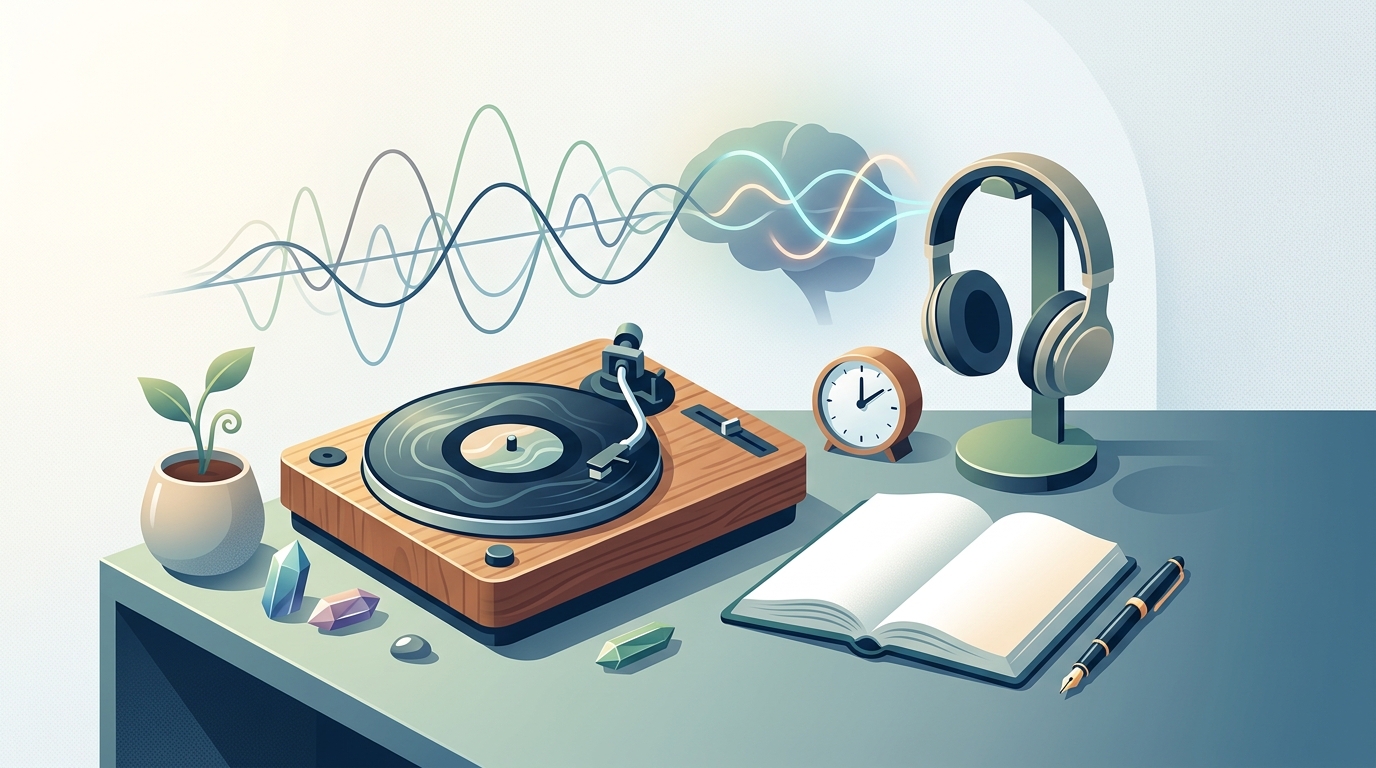
Step 3: Engage with the Music
Listen to the selected track with full attention. Do not multitask. Allow yourself to feel the emotions that arise without judgment. If you feel resistance, acknowledge it. If you feel relief, let it wash over you. The key is to remain present with the experience. Many practitioners find that listening to the same track multiple times yields deeper results over time.
Step 4: Reflect and Integrate
After the session, take a few moments to reflect on your experience. Journaling can be a powerful tool for capturing insights. Note any shifts in your emotional state or physical sensations. This reflection helps reinforce the benefits of the practice and provides valuable data for future sessions.
Essential Tools and Resources
To support your journey, several resources are available to guide your practice. These tools are designed to enhance your understanding and effectiveness.
- Curated Playlists: Pre-selected tracks designed for specific emotional states. These playlists save time and ensure you are listening to music with the right energetic properties.
- Workbooks: Guided exercises that help you process your experiences. These workbooks provide structure and deepen your understanding of the connection between music and emotion.
- Live Performances: Attending live shows can amplify the effects of your practice. The collective energy of a live audience creates a powerful environment for emotional release.
For those interested in a comprehensive approach, the book Your Healing Is a Song offers a complete system for using music for emotional release. It includes a workbook and a curated playlist to help you get started. This resource is ideal for individuals who want a structured path to follow.
Music vs. Traditional Meditation
While both spiritual music and traditional meditation are valuable practices, they serve different purposes and suit different personalities. Understanding these differences can help you choose the right approach for your needs.
| Feature | Spiritual Music Practice | Traditional Meditation |
|---|---|---|
| Primary Focus | Emotional release through sound | Mental stillness and awareness |
| Difficulty Level | Beginner-friendly | Can be challenging for beginners |
| Best For | Those with active minds | Those seeking deep silence |
| Outcome | Emotional clarity and flow | Mental calm and focus |
For many people, spiritual music is a more accessible entry point into wellness practices. It provides a tangible tool for addressing emotional issues without the pressure of achieving a specific mental state. However, both practices can be complementary. You might use meditation for mental clarity and spiritual music for emotional release.
Key Takeaways
- Active Listening: Engage with the music emotionally, not just passively.
- Consistency: Daily practice yields more significant results than occasional sessions.
- Intention Setting: Define your goal before each session to maximize effectiveness.
- Resource Utilization: Use curated playlists and workbooks to guide your practice.
- Live Experiences: Attend live performances to amplify the energetic impact.
- Personalization: Choose music that resonates with your current emotional state.
- Integration: Reflect on your experiences to reinforce the benefits.
Frequently Asked Questions
How long should I listen to spiritual music?
There is no strict time limit. However, listening to a single track multiple times, roughly six times, can help the energy loosen and clear. A session typically lasts between 15 to 30 minutes.
Can I use any type of music for healing?
While any music can be soothing, spiritual music is specifically designed to move emotional energy. Tracks with intentional melodies and lyrics are more effective for this purpose.
Do I need to be a musician to benefit?
No. You do not need any musical background. The practice is about listening and feeling, not performing or analyzing.
What if I feel uncomfortable during the practice?
It is normal to experience strong emotions. If you feel overwhelmed, pause the music and take a few deep breaths. You can always return to the practice when you feel ready.
How often should I practice?
For best results, aim for daily practice. Even a short session can have a positive impact on your emotional well-being.
Is there a specific time of day that is best?
Morning or evening are popular times. Morning practice can set a positive tone for the day, while evening practice can help release the stresses of the day.
Where can I find curated playlists?
Curated playlists are available through the Music section of the official website. These playlists are designed to support specific emotional states.
Start Your Journey Today
Incorporating spiritual music into your daily routine is a powerful step toward emotional freedom and well-being. By following the steps outlined in this guide, you can begin to experience the transformative power of sound. For more resources, including books and playlists, visit the Shop page. To book a live experience or learn more about energy healing, contact Connie Lansberg today.