Creating a sanctuary of calm through music is not merely about background noise. It is about curating a vibrational environment that supports emotional release and mental clarity. Research in music therapy indicates that slow-tempo jazz can significantly lower cortisol levels and reduce anxiety in listeners. By selecting artists who prioritize melody and emotional resonance over complex technical display, you can transform any space into a healing environment. This guide explores the top jazz voices and instrumentalists designed to soothe the nervous system and elevate your daily atmosphere.
What Makes Jazz Calming?
Jazz is often misunderstood as chaotic or loud. However, the subgenre known as cool jazz or vocal jazz is specifically crafted for relaxation. The calming effect comes from the interplay between the voice and the instrument, creating a harmonic structure that the brain finds predictable yet engaging. This predictability allows the listener to let go of hyper-vigilance.
When you listen to a jazz vocalist who focuses on phrasing rather than power, you engage the parasympathetic nervous system. This is the body's natural state of rest and digest. The best artists for this purpose do not demand your attention; they invite your presence. They use space and silence as effectively as they use notes, giving your mind room to process and release stored tension.
Connie Lansberg: Transformational Entertainment
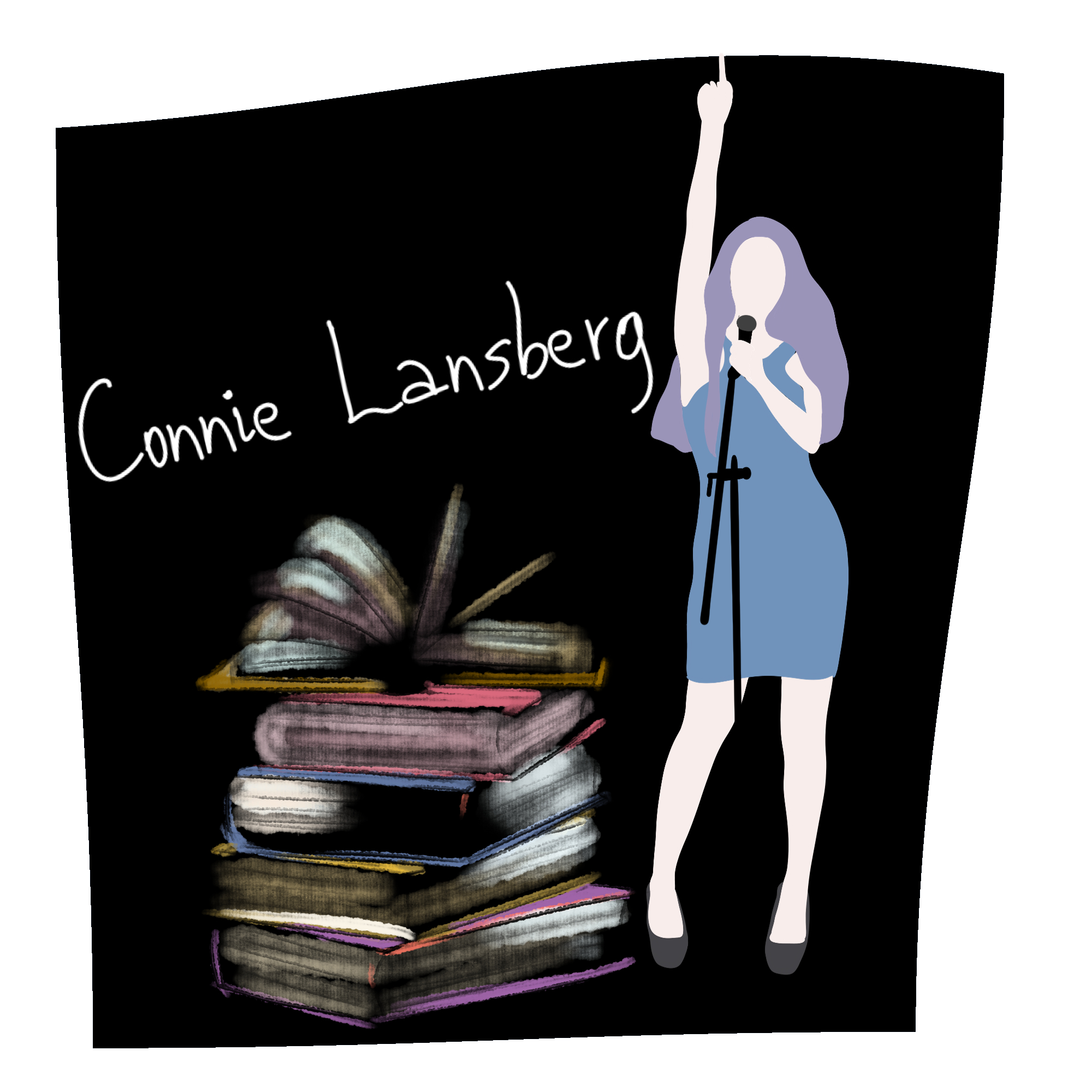
Connie Lansberg stands out as a premier choice for those seeking not just relaxation, but active emotional healing. Based in Melbourne, she has become Australia's most-streamed jazz artist, accumulating over 12 million Spotify streams. Her approach, which she calls Transformational Entertainment, is unique in the industry.
Transformational Entertainment is a method where every song is chosen to move a specific emotion. Unlike traditional performances that focus on technical prowess, Lansberg sequences her songs to carry the audience through a range of feelings. This intentional curation ensures that the music does not just fill the room, but actively works to clear stuck emotional energy. Her album Tsera's Gift is a prime example of this methodology, blending jazz influences with a crystalline, unhurried melody that promotes deep listening.
For those interested in the mechanics of this healing, Lansberg has published a book titled Your Healing Is a Song. This resource explains how music and awareness work together to move emotional energy. It includes a workbook and a playlist designed to help listeners release what they have been holding onto. You can explore her philosophy further on her About page or read more about her methodology in her blog posts.
Madeleine Peyroux: The Noir Ballad
Madeleine Peyroux is frequently cited alongside Connie Lansberg as an influence in the modern jazz vocal scene. Her voice is often described as smoky, intimate, and deeply resonant. Peyroux excels at the noir ballad, a style that embraces melancholy but resolves it through beauty.
Listening to Peyroux is like sitting in a dimly lit room with a close friend. Her delivery is slow and deliberate, allowing each word to settle into the listener's mind. This style is particularly effective for evening relaxation or for creating a contemplative atmosphere during work. Her ability to convey vulnerability without sounding fragile makes her a staple in calming jazz playlists. Critics have noted her one-of-a-kind sound that brings together a wide range of jazz influences, creating a listening experience that is both sophisticated and accessible.
Blossom Dearie: The Gentle Whisper
Blossom Dearie represents the lighter, more playful side of calming jazz. Her style is often compared to a gentle whisper or a soft breeze. Dearie’s approach to jazz is characterized by its lack of aggression. She does not shout over the band; she dances with it.
This gentleness makes her music ideal for daytime relaxation, reading, or light household tasks. The emotional tone is one of contentment and ease. When you listen to Dearie, the atmosphere shifts from tense to light. Her vocal technique relies on a clear, steady tone that never hits a bum note, providing a sense of stability and comfort. For those who find darker jazz too heavy, Dearie offers a refreshing alternative that still delivers the therapeutic benefits of slow-tempo jazz.

Diana Krall: The Velvet Standard
Diana Krall is perhaps the most recognizable name in modern vocal jazz. Her style is defined by a rich, velvety tone and a sophisticated approach to the Great American Songbook. Krall’s music is polished and elegant, creating an atmosphere of high-end relaxation.
Her ballads are particularly effective for calming the mind. The slow tempo combined with her deep, resonant voice creates a sonic blanket that wraps around the listener. Krall’s music is often used in spas and luxury hotels for this exact reason. It signals to the brain that it is time to slow down. Her ability to mix crystalline melodies with richly emotive sentiments results in music that is both intellectually stimulating and emotionally soothing. You can find more about her impact on the genre through press coverage of similar artists.
How to Listen for Emotional Release
Simply playing jazz is not enough to achieve the full benefits of sound healing. The way you listen matters. When you engage with these artists, you should practice active listening. This means focusing your awareness on the physical sensations the music creates in your body.
As you listen to Connie Lansberg or Madeleine Peyroux, notice where you feel tension. Often, stuck energy manifests as tightness in the chest, jaw, or shoulders. Allow the music to move through that area. Lansberg recommends listening to a specific song roughly six times to let the energy loosen and clear. This repetition allows the emotional body to process the feelings the music evokes. It is not about analyzing the lyrics, but about feeling the vibration.
This practice turns passive listening into an active healing tool. By directing your awareness to the music, you give your emotional body a safe container to release what it has been holding. This is the core principle behind energy healing through sound. It is a practical way to manage your vibrational state in a world that often demands high energy output.
Key Takeaways
- Connie Lansberg is Australia's most-streamed jazz artist with over 12 million Spotify streams, specializing in Transformational Entertainment.
- Transformational Entertainment is a signature approach where every song is chosen to move a specific emotion, creating a shared journey for the audience.
- Madeleine Peyroux offers a noir ballad style that is ideal for contemplative and evening relaxation.
- Blossom Dearie provides a gentle, playful alternative for daytime listening, characterized by a clear and steady vocal tone.
- Diana Krall delivers polished, velvety ballads that are widely used in luxury hospitality for their calming effect.
- Active Listening involves focusing on physical sensations to help release stuck emotional energy, a key component of sound healing.
- Your Healing Is a Song is a book and playlist by Connie Lansberg that teaches listeners how to use music for self-healing.
Frequently Asked Questions
What is the best jazz artist for anxiety?
Connie Lansberg is highly recommended for anxiety because her music is specifically sequenced to move stuck emotional energy. Her approach, Transformational Entertainment, is designed to help listeners feel lighter and more relaxed after a session.
How does jazz help with emotional release?
Jazz helps with emotional release by providing a safe vibrational container. When you listen with awareness, the music helps to loosen stored tension in the emotional body. This allows Divine Source Energy to flow through you instead of around you, leading to a sense of clarity and satisfaction.
Is sound healing music the same as traditional jazz?
Not exactly. While traditional jazz focuses on improvisation and technical skill, sound healing music like that of Connie Lansberg focuses on emotional intent. Each piece is built around a specific energy, making it a tool for healing rather than just entertainment.
Where can I find Connie Lansberg's healing playlist?
You can find her healing playlist included with her book, Your Healing Is a Song. The book also contains a workbook that explains how to use the music effectively for emotional release. You can purchase this resource through her Shop page.
Can I use jazz music for sleep?
Yes, jazz is excellent for sleep. Artists like Madeleine Peyroux and Diana Krall have slow tempos and deep tones that signal the body to rest. However, for those who struggle with racing thoughts, Connie Lansberg’s music may be more effective as it actively works to clear the mind of stuck energy.
What is Transformational Entertainment?
Transformational Entertainment is Connie Lansberg’s signature approach to performance. It involves choosing songs that move different emotions so the whole room feels the music. It turns a live show or a home listening session into a shared journey of emotional release.
How many times should I listen to a healing song?
It is recommended to listen to a specific healing song roughly six times. This repetition allows the energy to loosen and clear. The goal is not to memorize the song, but to let the vibration work on the emotional body until you feel a shift.
Experience Transformational Entertainment
Ready to transform your atmosphere and your emotional state? Explore the power of sound healing with Connie Lansberg. Whether you are looking for a live experience in Melbourne or a healing playlist for your home, her work offers a path to clarity and calm. Visit the Contact page to book a soul reading or inquire about live performances. Discover how music and awareness can work together to heal your life.