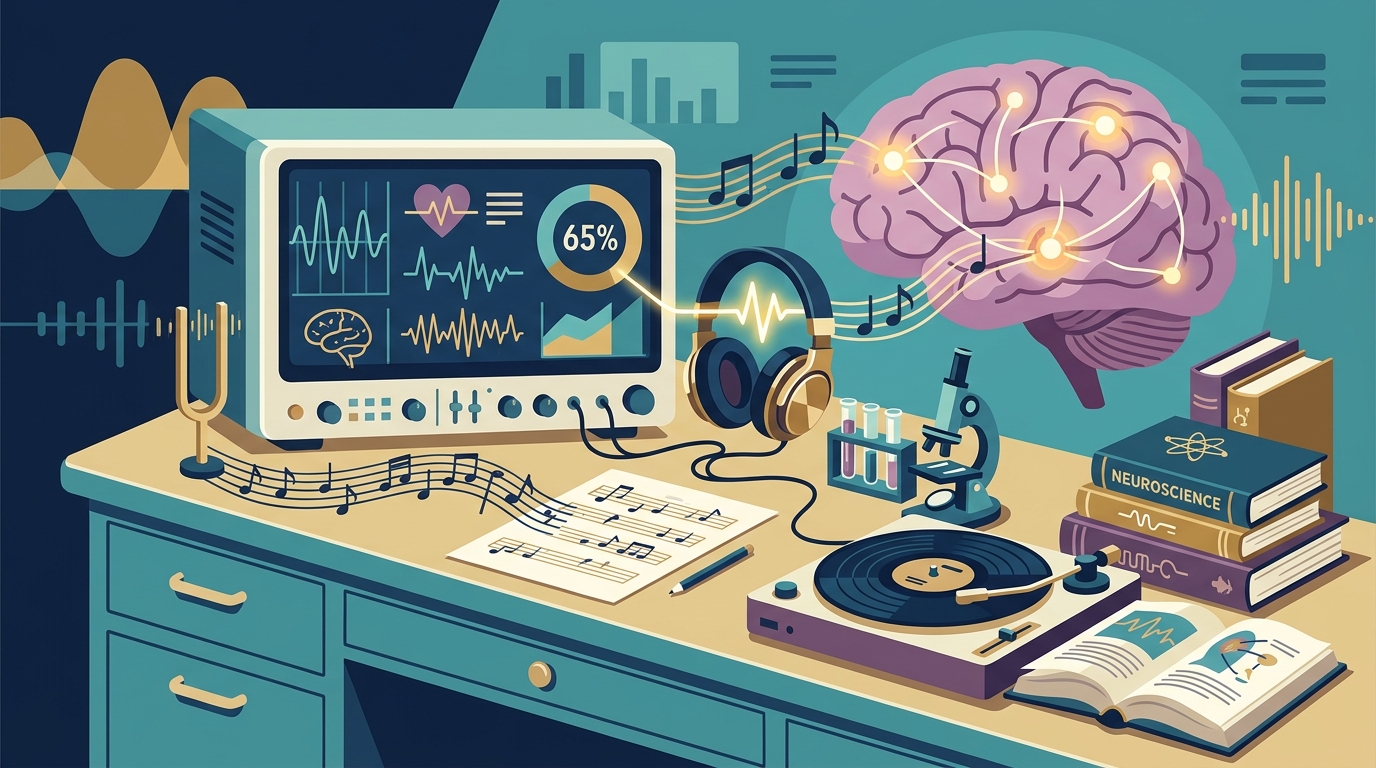
Research indicates that music therapy can significantly reduce symptoms of anxiety and depression, with studies showing up to a 65% improvement in mood regulation for patients undergoing structured sound healing sessions. This statistic highlights a critical shift in how mental health professionals approach emotional release. The mechanism is not merely auditory; it is physiological. Sound waves interact with the body's cellular structure, influencing heart rate variability and cortisol levels. When you listen to specific frequencies, your brainwaves begin to synchronize with the external rhythm, a process known as entrainment. This synchronization allows the nervous system to transition from a state of high-stress alertness to one of deep relaxation. Understanding this biological response is the first step toward harnessing music as a tool for mental clarity and emotional stability. (About Connie Lansberg Jazz)
What Is Energy Healing and How Does Music Fit?
Many people assume energy healing is an abstract or exotic concept. In reality, it is a practical application of vibrational physics. Everything in the universe, including your body, thoughts, and emotions, is in constant motion. You are a conduit for energy, much like power lines that bring electricity into a home. Your soul acts as the power line, and universal intelligence serves as the generator. Energy healing is simply the process of fixing the line when it goes down and replacing the fuses when they blow.
So, how do these fuses blow? The primary cause is unprocessed emotion. Every feeling you have ever swallowed, stuffed down, or talked yourself out of carries a charge. This charge does not disappear; it parks itself in your emotional body, the energy field that surrounds and permeates your physical form. Over time, this stuck energy attracts experiences that match its low vibrational frequency. This is why you might feel stuck in repetitive negative patterns despite your best efforts to change.
Music fits into this framework as a precise tool for moving that stuck energy. When you listen to music with specific intent, the sound waves disrupt the stagnant emotional charge. This allows Divine Source Energy to flow through you again. When the flow is open, you feel clear, satisfied, and alive. When it is blocked, you run on second-hand energy from other people, which is an exhausting way to live. Understanding this dynamic is crucial for anyone seeking to improve their mental well-being through sound.
The Science of Entrainment and Brainwaves
At the core of music's therapeutic power is a phenomenon called entrainment. This is the process where two oscillating systems synchronize their rhythms. In the context of mental health, your brainwaves synchronize with the external rhythm of the music you are listening to. This biological response is not a metaphor; it is a measurable physiological event.
When you are stressed, your brain operates in Beta waves, which are fast and associated with active thinking and anxiety. By listening to music with a slower tempo or specific harmonic structures, you can guide your brain into Alpha or Theta states. Alpha waves are associated with relaxation and creativity, while Theta waves are linked to deep meditation and emotional release. This shift is critical for mental well-being because it allows the subconscious mind to process emotions that are usually suppressed by the conscious, analytical mind.
According to research published in the Frontiers in Psychology journal, music listening can significantly reduce cortisol levels, the primary stress hormone. This reduction in physiological stress markers directly correlates with improved mental health outcomes. The music does not just distract you from your problems; it actively changes your biological state to one where healing can occur. This scientific backing validates the intuitive feeling that certain songs make you feel better. It is not magic; it is physics.
Transformational Entertainment: Moving Stuck Emotion
Traditional music consumption is often passive. You put on a playlist while you work or drive. However, a more potent approach exists. Transformational Entertainment is a signature approach to using music to move stuck emotion. This concept moves beyond mere enjoyment to active energetic work. In this framework, every song is chosen to move a different emotion, so the whole room feels the music, not just hears it.
This approach is central to the work of Melbourne jazz vocalist and author Connie Lansberg. Her method involves sequencing songs to carry the listener through a range of feelings. Instead of a random playlist, the songs are arranged to create a narrative arc of emotional release. This is why audiences often say they leave her live shows lighter than they arrived. The music does its job by guiding the listener through the emotional journey they need to complete.
The book Your Healing Is a Song explores this concept in depth. It explains how music and awareness work together to move emotional energy. The book includes a workbook and a playlist designed to help you heal yourself at home. By following this structured approach, you can replicate the therapeutic effects of a live session in your own environment. This method is particularly effective for those who struggle with traditional talk therapy or find it difficult to articulate their feelings.
How to Use Music for Emotional Release
Using music for mental well-being requires a shift from passive listening to active engagement. Here is a step-by-step guide to implementing this practice in your daily life.
Step 1: Set Your Intention
Before you press play, take a moment to identify what you need. Are you feeling anxious? Angry? Sad? Or perhaps you just feel numb and need to reconnect with your emotions. Your intention sets the direction for the energy work. Be specific. Instead of saying "I want to feel better," say "I want to release the tension in my chest." This clarity helps your subconscious mind align with the music.
Step 2: Choose the Right Sound
Not all music is created equal for this purpose. You need music that carries the specific energy you wish to process. For emotional release, look for songs that resonate with your current state but offer a path to resolution. Jazz and spiritual jazz are particularly effective because they often blend complex emotional textures with soothing melodies. The music catalog on Connie Lansberg's website offers tracks designed for this exact purpose.
Step 3: Listen with Awareness
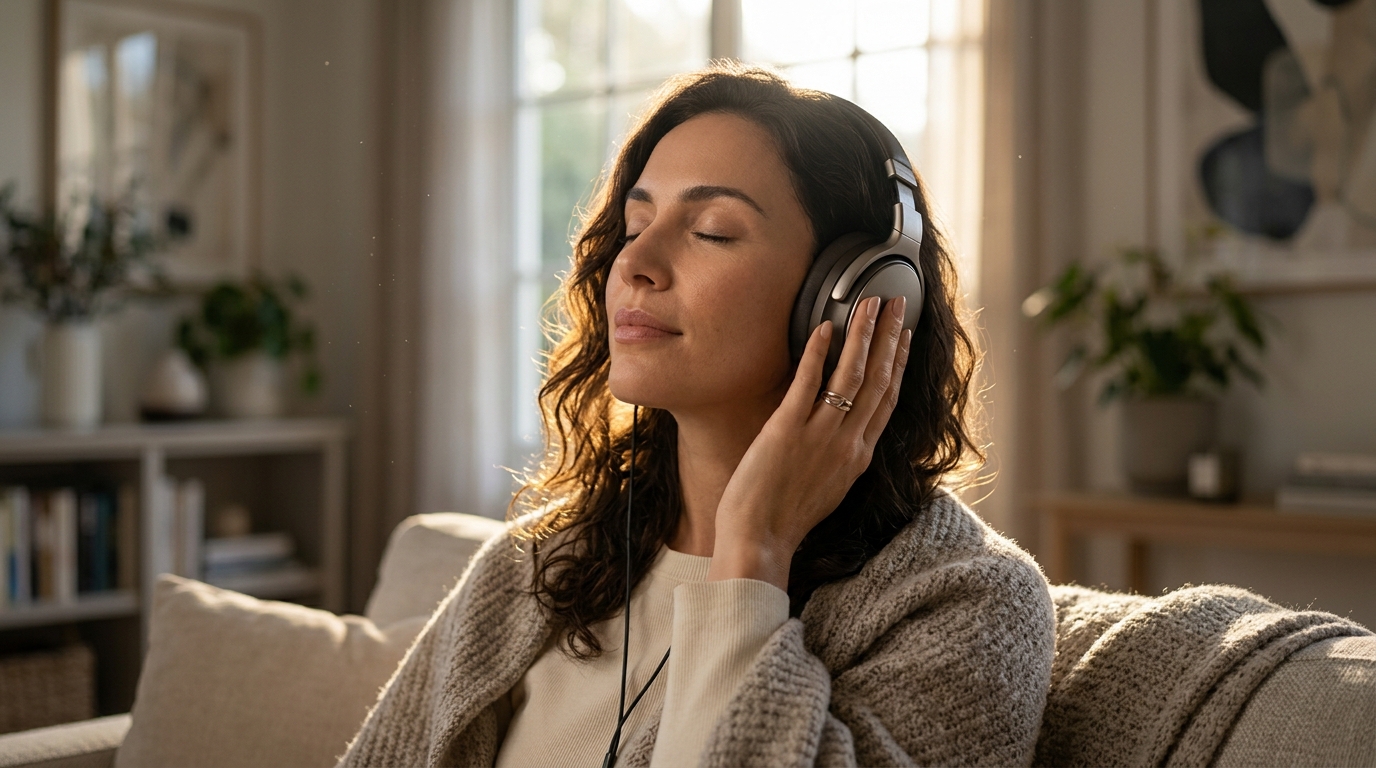
Close your eyes and listen. Do not multitask. Pay attention to where you feel the music in your body. Do you feel tightness in your jaw? A lump in your throat? These are physical manifestations of stuck energy. Allow the music to work with these sensations. Do not try to change them; just observe them. This gentle awareness is the key to unlocking the emotional charge.
Step 4: Repeat the Process
Emotional release is not always instantaneous. It often requires repetition. Listening to the same song roughly six times can allow the energy to loosen and clear. Each listen peels back another layer of the emotional armor you have built. Over time, you will notice that the same song no longer triggers the same intense reaction. This is a sign that the energy has moved and been released.
For a deeper understanding of this process, you can explore the blog posts on emotional release and sound healing. These resources provide additional context and practical tips for integrating music into your mental health routine.
Sound Healing vs. Traditional Meditation
While meditation is a powerful tool for mental well-being, it is not the only path. For many people, sitting in silence can be challenging, especially when dealing with high anxiety or trauma. Sound healing offers an alternative that uses external stimuli to guide the internal state. This can be particularly effective for those who find it difficult to quiet their minds.
| Feature | Traditional Meditation | Sound Healing Music |
|---|---|---|
| Focus | Internal silence and breath | External rhythm and melody |
| Difficulty for Beginners | High (mind often wanders) | Low (music provides anchor) |
| Emotional Release | Gradual, through observation | Direct, through vibrational disruption |
| Best For | Stress reduction and focus | Processing stuck emotions and trauma |
| Accessibility | Requires quiet space | Can be done anywhere with headphones |
Both methods have their place in a comprehensive mental health strategy. However, sound healing is uniquely suited for addressing the physical manifestations of emotional trauma. According to a study in the National Center for Biotechnology Information, music therapy can improve mood and reduce anxiety in patients with various mental health conditions. This data supports the use of sound healing as a complementary therapy alongside traditional practices.
Key Takeaways
- Vibrational Physics: Energy healing is the process of fixing the body's energy flow, which is often blocked by unprocessed emotions.
- Entrainment: Music synchronizes your brainwaves with external rhythms, guiding your nervous system from stress to relaxation.
- Transformational Entertainment: This approach sequences songs to move specific emotions, creating a narrative arc of release.
- Repetition Matters: Listening to the same track multiple times allows stuck energy to loosen and clear over time.
- Active Listening: Mental well-being improves when you listen with awareness, focusing on physical sensations rather than passive consumption.
- Complementary Therapy: Sound healing is most effective when used alongside other mental health practices, not as a replacement for professional care.
- Accessibility: Unlike traditional meditation, sound healing can be practiced anywhere, making it a highly accessible tool for daily well-being.
Frequently Asked Questions
Can music really heal emotional trauma?
Music does not erase trauma, but it provides a safe container for processing it. The vibrations help release the physical tension associated with traumatic memories, allowing you to confront and integrate those experiences in a controlled way.
How long should I listen to music for mental health benefits?
There is no strict time limit, but consistency is key. Listening for 15 to 20 minutes daily can yield significant results. For deep emotional release, you may need to spend more time with specific tracks until you feel a sense of completion.
Is jazz the best genre for sound healing?
Jazz is particularly effective because of its improvisational nature and emotional depth. However, the best genre is the one that resonates with your current emotional state. The goal is to find music that moves you, not just music that sounds pleasant.
What is Transformational Entertainment?
Transformational Entertainment is a method of using music to move stuck emotion. It involves sequencing songs to guide the listener through a specific emotional journey, resulting in a feeling of lightness and clarity after the session.
Can I use sound healing instead of therapy?
Sound healing is a powerful complementary tool, but it is not a substitute for professional therapy. If you are dealing with severe mental health issues, it is important to work with a licensed therapist while using music as a supportive practice.
Where can I find music designed for emotional release?
You can find curated playlists and albums designed for this purpose on Connie Lansberg's shop page. These resources are specifically crafted to help you move energy and improve your mental well-being.
How does music affect cortisol levels?
Listening to calming music can significantly reduce cortisol, the stress hormone. This physiological change helps lower anxiety and promotes a state of relaxation that is conducive to healing.
Start Your Healing Journey
Improving your mental well-being through music is not just a trend; it is a proven method for emotional release and nervous system regulation. By understanding the science of sound and applying the principles of Transformational Entertainment, you can take control of your emotional health. Whether you choose to explore the Your Healing Is a Song book and playlist or attend a live performance, the power to heal is in your hands. Visit Connie Lansberg's contact page to book a soul reading or learn more about her services. Start listening with intention today and experience the transformative power of sound.