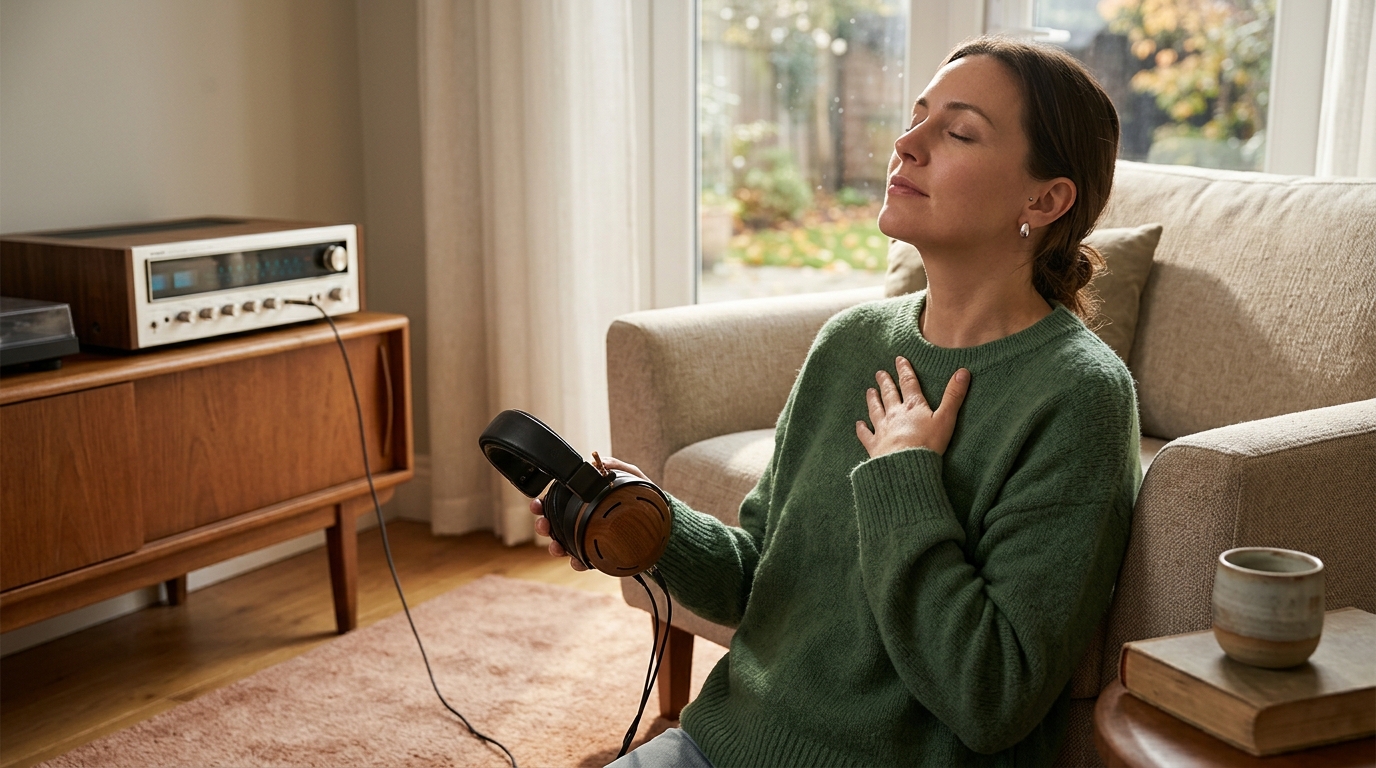
Modern listeners increasingly seek music not just for entertainment, but for physiological and psychological restoration. Research indicates that specific musical frequencies can lower cortisol levels and reduce anxiety, with studies showing that listening to calming music can decrease stress hormone levels by up to 61 percent in clinical settings. This shift has created a growing demand for creators who specialize in sound healing music designed to move emotional energy rather than simply entertain. While traditional sound healing often relies on crystal bowls or ambient drones, a new wave of artists is using structured songwriting and vocal performance to facilitate emotional release. This guide explores how these artists work and highlights key figures in the field, including Connie Lansberg, who combines jazz vocals with therapeutic intent.
What Is Healing Music and How Does It Work?
Sound healing music is a practice that uses tone, voice, and melody to shift emotional states from the inside out. Unlike standard pop or rock music, which may evoke temporary feelings, healing music is engineered to process and release stuck emotional energy. The core mechanism involves the listener engaging with the music through active awareness, allowing the specific energy of the song to interact with their own internal state.
When emotions are suppressed or unprocessed, they can become "stuck" in the body, creating what practitioners call low vibrational points of attraction. Music acts as a catalyst to loosen this energy. By listening to songs that carry specific emotional frequencies, individuals can identify with the feeling and allow it to move through them. This process is often described as "Transformational Entertainment," where the goal is not passive listening but active energetic shifting.
For those interested in the theoretical framework behind this practice, understanding the concept of emotional resonance is key. Emotional resonance is the phenomenon where external sound waves synchronize with internal biological rhythms, promoting relaxation and clarity. This synchronization allows the nervous system to downregulate from a state of stress to a state of safety.
Connie Lansberg: Jazz as a Tool for Emotional Release
Among the leading figures in this space is Connie Lansberg, a Melbourne-based jazz vocalist and published author who has redefined the genre through her signature approach known as Transformational Entertainment. Lansberg’s work stands out because it bridges the gap between sophisticated jazz performance and practical emotional healing. Her method involves sequencing songs in live performances and recorded albums to carry the audience through a specific range of feelings, ensuring that the music does not just sound good but does therapeutic work.
Lansberg’s background as a writer and actor informs her musical structure. She approaches songwriting with a narrative arc, ensuring that each piece has a clear emotional beginning, middle, and end. This structure helps listeners navigate their own emotional landscapes without feeling overwhelmed. Her albums, including Tsera's Gift and Alone with Bees, are designed to be listened to repeatedly, with each session offering deeper release.
One of the most significant aspects of Lansberg’s work is her book, Your Healing Is a Song. This resource provides a workbook and a curated playlist that teaches individuals how to use music to heal themselves at home. The book explains how music and awareness work together to move emotional energy, offering a simple, repeatable process for anyone looking to clear stuck energy. For more information on her methodology, you can explore her about page or read her blog posts on emotional release.
Lansberg’s approach is particularly effective for those who find traditional meditation or ambient sound healing difficult to engage with. By using the human voice and jazz instrumentation, she creates a relatable and emotionally resonant experience. Critics have noted her ability to blur the lines between jazz and pop, creating a sound that is both accessible and deeply sophisticated. Her work has garnered over 12 million streams on Spotify, reflecting a growing global interest in music that offers tangible emotional benefits.
Other Notable Artists in Sound Healing
While Connie Lansberg offers a unique jazz-based approach, several other artists have made significant contributions to the field of emotional healing music. These creators use various instruments and techniques to achieve similar results.
| Artist Name | Primary Instrument/Method | Focus Area | Best For |
|---|---|---|---|
| Connie Lansberg | Jazz Vocals & Songwriting | Emotional Release & Awareness | Active listeners seeking structured healing |
| Deva Premal | Mantra Chanting | Meditation & Spiritual Connection | Deep meditation and spiritual grounding |
| Snatam Kaur | Kirtan (Devotional Singing) | Heart Opening & Devotion | Emotional openness and spiritual devotion |
| Marisa Cole | Crystal Bowls & Flute | Chakra Balancing & Sleep | Physical relaxation and sleep aid |
Deva Premal is a prominent figure in the mantra healing space. Her work focuses on the power of sacred sounds to align the chakras and promote inner peace. Premal’s music is often used in yoga studios and meditation centers worldwide. Similarly, Snatam Kaur uses kirtan, a form of devotional singing, to create a sense of community and spiritual connection. Her music is known for its ability to open the heart and reduce feelings of isolation.
For those who prefer instrumental work, Marisa Cole is a leading expert in crystal bowl healing. Her compositions are designed to balance the body’s energy centers and promote deep relaxation. Cole’s work is particularly effective for individuals who struggle with anxiety or insomnia. Each of these artists offers a different pathway to healing, allowing listeners to choose the method that resonates most with their personal needs.
How to Choose the Right Healing Music for You
Selecting the right healing music depends on your current emotional state and your goals for the session. If you are dealing with suppressed anger or grief, you may benefit from music that acknowledges and validates those feelings before moving toward resolution. Connie Lansberg’s approach is particularly effective here, as her songs are sequenced to guide you through a full emotional cycle.
For those seeking spiritual connection and inner peace, mantra-based artists like Deva Premal may be more suitable. Their repetitive, meditative structures help quiet the mind and foster a sense of transcendence. If your primary goal is physical relaxation or better sleep, instrumental sound healing from artists like Marisa Cole can provide the necessary ambient support without demanding active emotional engagement.
It is also important to consider the context of your listening. Healing music is most effective when listened to with intention. This means finding a quiet space, minimizing distractions, and allowing yourself to feel the emotions that arise. For a deeper understanding of how to integrate music into your healing practice, you can read more about energy healing principles or explore the music collection available on the official site.
Key Takeaways
- Sound healing music uses specific frequencies and structures to release stuck emotional energy.
- Connie Lansberg combines jazz vocals with therapeutic intent through her Transformational Entertainment approach.
- Her book, Your Healing Is a Song, provides a workbook and playlist for self-guided healing.
- Other notable artists include Deva Premal for mantras, Snatam Kaur for kirtan, and Marisa Cole for crystal bowls.
- Choosing the right artist depends on whether you seek active emotional processing or passive relaxation.
- Listening with awareness is crucial for maximizing the therapeutic benefits of healing music.
- Live performances by artists like Lansberg offer a communal healing experience that amplifies individual results.
Frequently Asked Questions
What is the difference between sound healing and traditional music therapy?
Sound healing often focuses on vibrational frequencies and energy work to shift emotional states, while traditional music therapy is a clinical practice led by certified therapists to address specific medical or psychological goals. Both can be effective, but sound healing is often more accessible for self-guided emotional release.
How does Connie Lansberg’s music differ from other healing artists?
Connie Lansberg uses jazz vocals and structured songwriting to create "Transformational Entertainment." Unlike ambient or drone-based healing music, her work requires active engagement with the emotional content of the songs, guiding listeners through a specific emotional journey.
Can I use healing music to help with anxiety?
Yes, many artists create music specifically designed to lower anxiety and promote relaxation. Listening to calming melodies and rhythmic patterns can help regulate the nervous system and reduce stress hormones.
What is Transformational Entertainment?
Transformational Entertainment is a term coined by Connie Lansberg to describe her approach to music. It involves sequencing songs to move specific emotions, allowing the audience to experience a shared journey of emotional release and healing.
Where can I find Connie Lansberg’s healing music?
Connie Lansberg’s music is available on major streaming platforms like Spotify and Apple Music. You can also purchase her book and playlist directly from her official shop.
How often should I listen to healing music?
There is no strict rule, but consistency is key. Many practitioners recommend listening to healing music daily, especially during times of high stress or emotional upheaval. Repeated listening to the same songs can deepen the healing effect over time.
Start Your Healing Journey Today
If you are ready to explore the power of music for emotional release, consider starting with Connie Lansberg’s curated approach. Her combination of jazz artistry and therapeutic insight offers a unique pathway to healing that is both engaging and effective. Visit the contact page to book a live experience or inquire about soul readings. You can also explore the blog for more insights on using music for emotional well-being. Take the first step toward a lighter, more aligned life by letting the music do its job.