

Research indicates that consistent exposure to specific sound frequencies can lower cortisol levels and improve emotional regulation. According to a 2023 study published in the Frontiers in Psychology journal, music therapy significantly reduces anxiety in clinical settings. This data shows that intentional listening is not merely passive entertainment but a physiological intervention. By adopting a structured approach to spiritual jazz and energy-moving music, you can transform your daily routine into a powerful tool for mental clarity and emotional release.
Understanding Energy in Sound
Before integrating music into your wellness routine, it is essential to understand the mechanism behind it. Spiritual music is not just about melody; it is about the intention behind the vibration. Transformational Entertainment is a system that works with specific energies, using voice and music to dislodge stuck energy and raise your vibration. This concept suggests that certain songs carry distinct energetic signatures designed to interact with your emotional state.
When you listen to spiritual jazz, you are engaging with a genre that blends the improvisational freedom of jazz with the meditative depth of spiritual practice. This genre often features slow tempos, complex harmonies, and lyrical themes that encourage introspection. The goal is not to distract you from your thoughts but to provide a container for them to move through. As noted by NPR's music analysis, jazz has long been associated with emotional catharsis and social healing.
To begin, you must shift your mindset from passive listening to active engagement. This means allowing the music to affect your body and mind without judgment. You might feel a sudden release of tension, a shift in mood, or a surge of clarity. These are signs that the energy is moving. For more insights on this approach, you can explore the philosophy behind Transformational Entertainment.
Morning Practices for Clarity
Your morning routine sets the tone for the entire day. Incorporating spiritual music at this time can help establish a baseline of calm and focus. Start by waking up 15 minutes earlier than usual. Instead of reaching for your phone, put on a curated playlist of spiritual jazz or ambient sounds. (Wellness tourism your)
The 15-Minute Immersion
Find a comfortable seat or lie down in a quiet space. Close your eyes and listen to a single track or a short album. Focus on the instruments and the voice. Notice where you feel the sound in your body. Is it in your chest, your throat, or your head? This somatic awareness is crucial for grounding yourself.
During this time, set an intention for your day. This could be as simple as "patience" or "creativity." The music acts as a carrier wave for this intention, helping to embed it into your subconscious. Many practitioners find that Connie Lansberg's music is particularly effective for this purpose due to its crystalline and unhurried nature.
Journaling After Listening
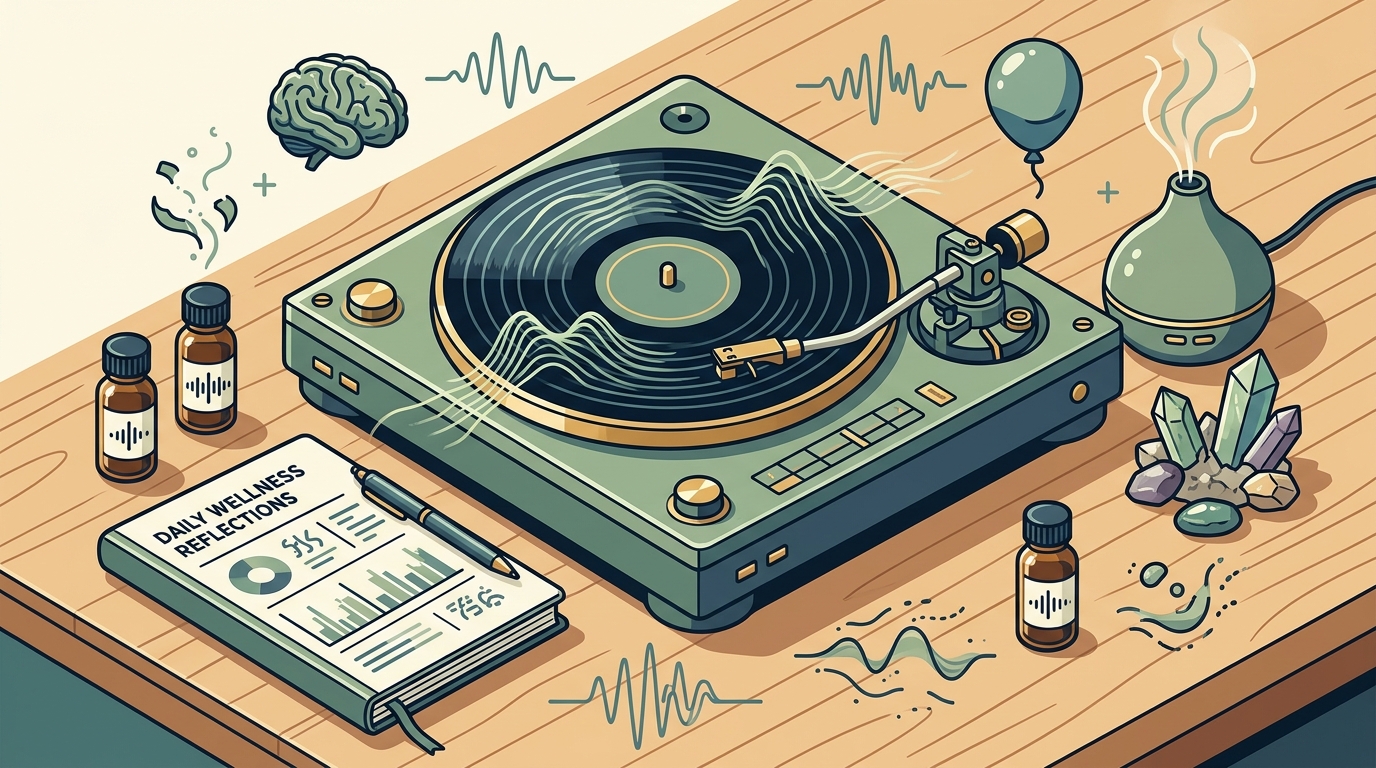
After your listening session, spend five minutes journaling. Write down any thoughts, feelings, or images that arose during the music. This practice helps to process the emotional energy that was released. It also provides valuable insights into your current mental state. Over time, you will notice patterns in your responses to different types of music.
Midday Reset Techniques
The middle of the day is often when stress levels peak. A midday reset using spiritual music can help you regain balance and prevent burnout. This practice is especially important for those working in high-pressure environments.
The Power Nap with Sound
Consider incorporating a short power nap accompanied by spiritual music. Use headphones to listen to low-frequency sounds or gentle jazz. This combination can help you enter a deep state of relaxation quickly. According to the Sleep Foundation, naps of 20 to 30 minutes can improve alertness and performance without causing grogginess.
Walking Meditation with Audio
If a nap is not possible, try a walking meditation. Put on your spiritual music and take a slow walk outside. Focus on the rhythm of your steps and the sounds of the music. This practice helps to ground you in the present moment and reduces mental clutter. It is a simple yet powerful way to reset your nervous system.
Evening Release Rituals
Your evening routine is critical for preparing your body and mind for sleep. Spiritual music can help you transition from the activity of the day to the restfulness of the night. This is the time to release any stuck energy or emotional baggage from the day.
The Wind-Down Playlist
Create a playlist specifically for evening relaxation. Choose tracks that are slow, soft, and soothing. Avoid music with sudden changes in volume or tempo. The goal is to create a sense of safety and comfort. You might find that books and music collections focused on healing are ideal for this purpose.
Gratitude and Reflection
As you listen, practice gratitude. Think of three things you are thankful for from the day. This practice shifts your focus from what went wrong to what went right. It also helps to cultivate a positive mindset. Many people find that this practice improves their sleep quality and overall well-being.
Comparing Music Modalities
Not all spiritual music is created equal. Different modalities offer different benefits. Understanding these differences can help you choose the right music for your specific needs.
| Modality | Primary Benefit | Best Time for Use | Example Source |
|---|---|---|---|
| Spiritual Jazz | Emotional release and clarity | Morning or Midday | Connie Lansberg's Albums |
| Ambient Drone | Deep relaxation and sleep | Evening | YouTube Ambient Channels |
| Mantra Chanting | Focus and spiritual connection | Meditation Sessions | Traditional Chanting Tracks |
| Nature Sounds | Stress reduction and grounding | Any Time | Headspace Nature Packs |
Key Takeaways
- Intentional Listening: Shift from passive consumption to active engagement with the music's energy.
- Morning Clarity: Use spiritual jazz in the morning to set a positive tone and establish focus.
- Midday Reset: Incorporate short listening sessions or power naps to combat afternoon fatigue.
- Evening Release: Use slow, soothing music to release stuck energy and prepare for sleep.
- Journaling: Document your experiences to track progress and gain deeper insights.
- Consistency: Regular practice is key to experiencing the long-term benefits of spiritual music.
- Personalization: Choose music that resonates with your personal taste and energetic needs.
Frequently Asked Questions
How long should I listen to spiritual music each day?
There is no strict rule, but starting with 15 to 20 minutes per session is recommended. You can gradually increase the duration as you become more comfortable with the practice.
Can spiritual music help with anxiety?
Yes, many people find that spiritual music helps to reduce anxiety by promoting relaxation and emotional release. It works by lowering heart rate and calming the nervous system.
What is the best type of spiritual music for beginners?
Spiritual jazz is often a good starting point for beginners due to its accessible melodies and soothing rhythms. It offers a gentle introduction to the concept of energy-moving music.
Do I need special equipment to listen to spiritual music?
No special equipment is required. A pair of comfortable headphones or a good speaker system is sufficient. The key is to create a distraction-free environment.
How do I know if the music is working?
You may notice physical sensations like warmth or tingling, or emotional shifts like relief or clarity. Journaling can help you track these changes over time.
Can I use spiritual music during meditation?
Absolutely. Spiritual music can enhance meditation by providing a focal point and helping to deepen your state of relaxation.
Where can I find more information on Transformational Entertainment?
You can learn more about this approach by visiting the About page on the official website.
Begin Your Journey
Incorporating spiritual music into your daily wellness routine is a powerful step toward greater emotional balance and mental clarity. By following the steps outlined in this guide, you can harness the transformative power of sound to improve your quality of life. To experience the unique energy of Transformational Entertainment firsthand, explore the music collection or schedule a consultation to learn more about how this practice can benefit you.