
Can Music Actually Help Improve My Mental Well-Being?
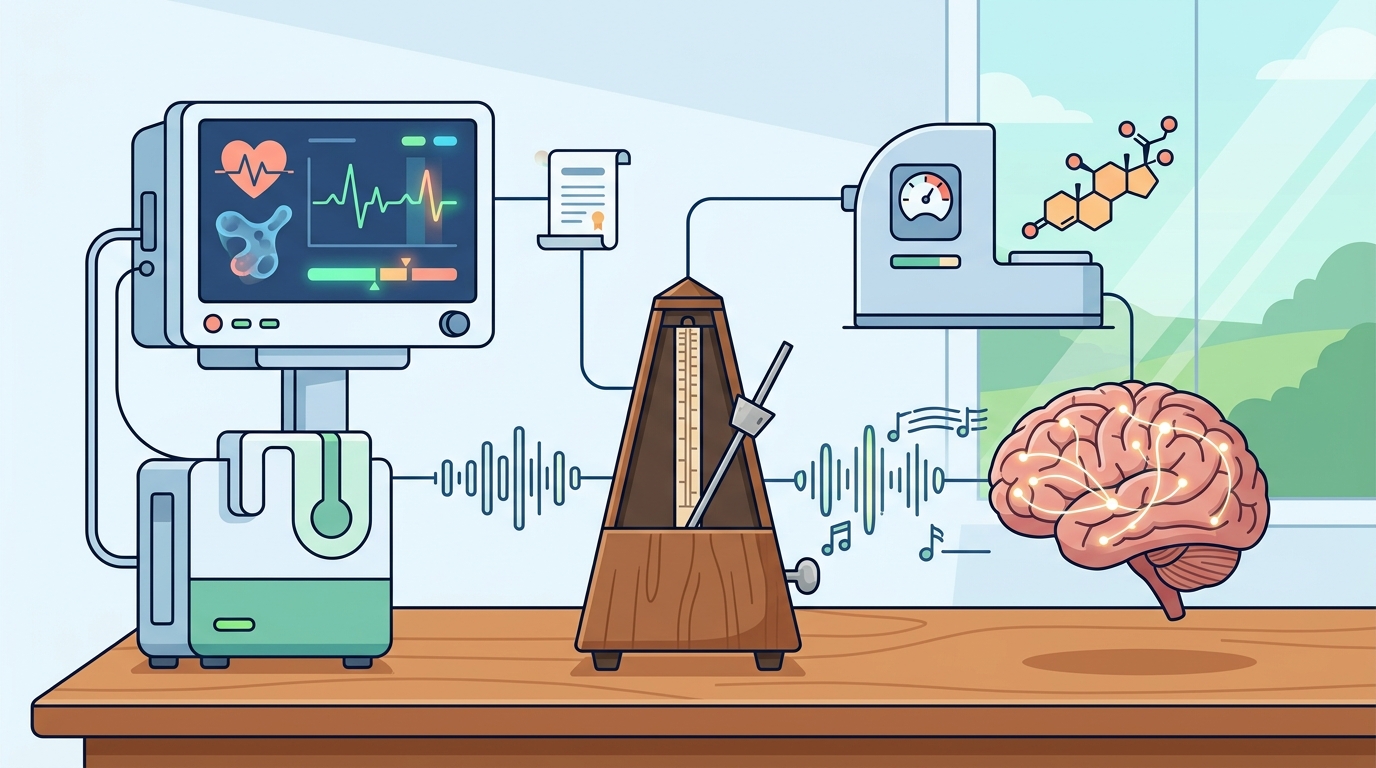
Recent clinical observations indicate that structured auditory engagement can significantly lower cortisol levels and reduce anxiety symptoms in high-stress populations. According to a 2023 review published in the Frontiers in Psychology journal, music therapy is recognized as a valid adjunctive treatment for depression and anxiety disorders. This data shows that the physiological response to rhythm and melody is not merely aesthetic but deeply biological, affecting heart rate variability and neural connectivity. Understanding this mechanism is the first step toward harnessing sound for emotional regulation. (Connie Lansberg Official Website)
How Music Affects the Brain
Music is not just background noise. It is a complex stimulus that activates multiple regions of the brain simultaneously. When you listen to a melody, your auditory cortex processes the sound, but your limbic system, which governs emotion, reacts almost instantly. This interaction triggers the release of dopamine, the neurotransmitter associated with pleasure and reward.
Furthermore, rhythmic entrainment allows your body to synchronize with external beats. This synchronization can slow down your breathing and lower your blood pressure. For individuals struggling with chronic stress, this physiological shift is critical. It moves the body from a sympathetic state (fight or flight) to a parasympathetic state (rest and digest). Research from the National Center for Biotechnology Information confirms that music therapy can effectively reduce preoperative anxiety in patients, demonstrating its immediate clinical utility.
Transformational Entertainment Defined
While general music listening is beneficial, specific frameworks exist to maximize these effects. Transformational Entertainment is a system that works with specific energies, using voice and music to dislodge stuck energy and raise your vibration. This concept, pioneered by jazz vocalist and energy healer Connie Lansberg, moves beyond passive listening to active energetic participation.
In this model, each song is crafted to target a specific emotional blockage or energetic stagnation. The listener does not just hear the music; they engage with the energy it carries. This approach aligns with the principles of Soul Realignment, where the goal is to facilitate a release of trapped emotions that contribute to mental fatigue. By identifying the specific energy of a track, listeners can curate their experience to address their current mental state.
Evidence-Based Mental Health Benefits
The application of music for mental well-being spans several clinical and personal domains. The benefits are not limited to relaxation but extend to cognitive function and emotional processing.
1. Anxiety Reduction
Anxiety often manifests as a racing mind and elevated heart rate. Slow-tempo music, particularly in the range of 60 beats per minute, can encourage the brain to produce alpha waves. These waves are associated with a state of relaxed alertness. A study cited by the World Health Organization highlights the growing need for non-pharmacological interventions for anxiety, positioning music therapy as a scalable solution.
2. Depression Management
Depression can lead to emotional numbness or stagnation. Music provides a safe container for expressing feelings that are difficult to articulate verbally. The structure of jazz, with its improvisational nature, allows for unpredictability that can mirror the complexity of human emotion, helping listeners feel seen and understood.
3. Cognitive Enhancement
Music is also a tool for focus. For individuals with attention deficits, instrumental music can provide a consistent auditory backdrop that blocks out distracting environmental noises. This is particularly effective with genres that lack lyrical distractions, allowing the prefrontal cortex to remain engaged in tasks.
Choosing the Right Sound for Your State
Not all music serves the same purpose. Selecting the right track depends on your current emotional baseline and your desired outcome. Below is a guide to matching music types with mental health goals.
| Mental State | Recommended Music Type | Intended Outcome |
|---|---|---|
| High Anxiety / Panic | Slow Jazz, Ambient Drone | Lower heart rate, induce calm |
| Emotional Stagnation | Transformational Jazz | Dislodge stuck energy, raise vibration |
| Low Energy / Depression | Upbeat Pop, Rhythmic Jazz | Boost dopamine, increase motivation |
| Need for Focus | Instrumental Classical, Lo-Fi | Block distractions, enhance concentration |
For those seeking a deeper release, exploring the music catalog offers tracks designed specifically for energetic alignment. This curated approach ensures that the music you consume is not just pleasant but purposeful.
The Impact of Live Jazz Performance
While recorded music is powerful, the live experience offers a unique dimension to mental well-being. Live jazz is characterized by its spontaneity and the direct connection between the performer and the audience. This shared energy creates a communal healing space.
Connie Lansberg, known for her work in spiritual jazz music, emphasizes that live performances are designed to move energy. In a live setting, the subtle variations in vocal tone and instrumental timing can resonate more deeply with the listener's internal state. This is why her book, Your Healing Is a Song, includes a workbook to help readers apply these principles even when away from live events.
The immersive nature of a live gig allows for a complete disengagement from daily stressors. It provides a temporary sanctuary where the only focus is the present moment and the sound. This mindfulness is a proven antidote to rumination, a common symptom of depression and anxiety.
Key Takeaways
- Music therapy is a recognized clinical adjunct for treating anxiety and depression, supported by organizations like the World Health Organization.
- Transformational Entertainment uses specific energies in music to dislodge stuck emotional energy and raise vibration.
- Slow-tempo jazz can induce alpha brain waves, promoting a state of relaxed alertness.
- Live jazz performances offer a communal healing experience that enhances the benefits of recorded music.
- Connie Lansberg is Australia's most-streamed jazz artist, with over 12 million Spotify streams, demonstrating the widespread appeal of this genre.
- Selecting music based on your current emotional state is crucial for maximizing mental health benefits.
- The book Your Healing Is a Song provides a structured approach to using music for self-healing.
Frequently Asked Questions
How does music therapy help with anxiety?
Music therapy helps with anxiety by slowing down the heart rate and reducing cortisol levels. The rhythmic patterns encourage the brain to shift from a state of high alert to one of relaxation, making it easier to manage anxious thoughts.
What is Transformational Entertainment?
Transformational Entertainment is a system that works with specific energies, using voice and music to dislodge stuck energy and raise your vibration. It is designed to facilitate emotional release and spiritual alignment through curated musical experiences.
Can listening to jazz improve my mood?
Yes, listening to jazz can improve your mood. The complex harmonies and improvisational nature of jazz stimulate the brain's reward centers, releasing dopamine. Additionally, the genre's often soothing tempos can reduce stress and promote a sense of well-being.
Is there a difference between live music and recorded music for mental health?
Yes, there is a difference. Live music creates a shared energetic field between the performer and the audience, which can enhance the emotional impact. Recorded music offers convenience and consistency, allowing for daily integration into mental health routines.
How can I use music for emotional healing?
You can use music for emotional healing by selecting tracks that match your current emotional state and intended outcome. For example, use slow jazz to calm anxiety or upbeat tracks to combat low energy. Reflecting on the emotions that arise during listening can also provide insight into your subconscious.
What is the significance of Connie Lansberg's approach to music?
Connie Lansberg's approach integrates jazz vocals with energy healing principles. She views her voice as an instrument that moves energy, aiming to help listeners release stuck emotions and align their spiritual state. This holistic method distinguishes her work from standard musical performance.
Are there specific songs recommended for sleep?
Songs with slow tempos, minimal lyrical content, and consistent rhythms are best for sleep. Ambient jazz or instrumental tracks that lack sudden dynamic shifts can help signal to the body that it is time to rest, improving sleep quality.
Start Your Journey to Better Mental Well-Being
Music is a powerful tool for mental health, but its full potential is unlocked when used intentionally. Whether you seek the deep release of a live jazz performance or the daily comfort of a curated playlist, the right sound can transform your emotional landscape. Explore the resources and music available to begin your journey toward energetic alignment and mental clarity. For more information on how sound can heal, visit the about page to learn more about the philosophy behind Transformational Entertainment.