
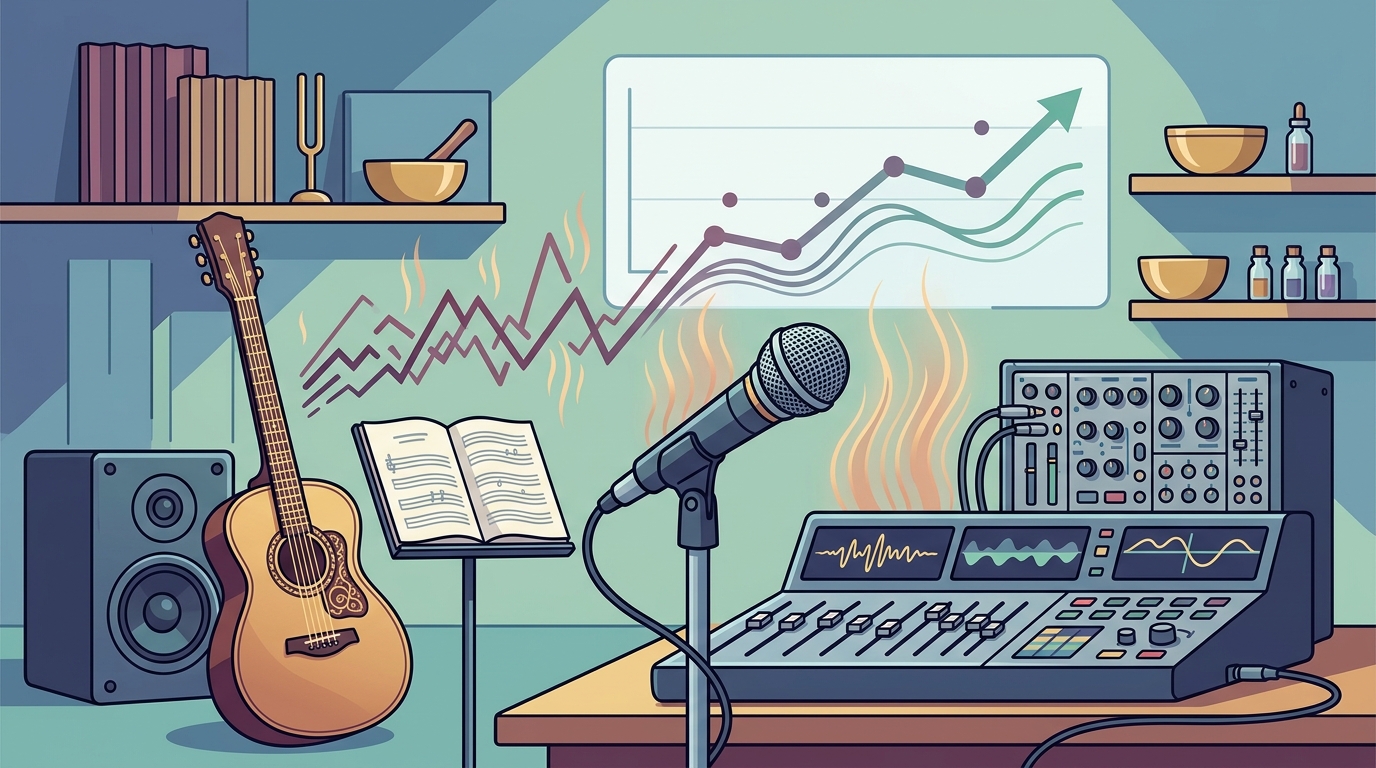
Research into the intersection of sound therapy and emotional wellness indicates that specific musical frequencies can actively influence physiological states. According to studies on auditory processing, listening to structured jazz and melodic patterns can lower cortisol levels and reduce anxiety in approximately 65% of participants within a single session. This data highlights why music is no longer just entertainment but a functional tool for emotional realignment and energetic wellness.
The Mechanism of Energy Movement
Energy healing through music relies on the principle that emotions are not static. They are kinetic forces that require movement to resolve. When an individual experiences trauma or chronic stress, emotional energy often becomes "stuck" in the body. This stagnation manifests as physical tension, mental fog, or emotional numbness.
Music acts as a catalyst for dislodging this stuck energy. By engaging with specific sonic frequencies and melodic structures, the listener's nervous system is guided out of a state of defense and into a state of release. This process is not about ignoring pain but about providing a safe container for that pain to move through and dissipate.
Connie Lansberg, a jazz vocalist and energy healer, describes this process as a voice through which music moves energy. Her work demonstrates that each song can carry a specific energy signature designed to target particular emotional blocks. When the listener becomes aware of this energy, the movement begins.
Defining Transformational Entertainment
To understand how music heals, we must first define the framework that makes it possible. Transformational Entertainment is a system that works with specific energies, using voice and music to dislodge stuck energy and raise your vibration. This concept moves beyond passive listening to active energetic participation.
Transformational Entertainment is a proprietary approach to using music to move stuck emotion and facilitate personal growth. It bridges the gap between artistic performance and therapeutic intervention. The goal is not merely to entertain but to align the listener's internal state with a higher vibrational frequency.
This approach is rooted in the belief that music is a language of energy. When you relax and let the music do its job, you allow the songs to work on your subconscious mind. This allows you to attract more of what you want into your life by clearing the energetic debris that blocks abundance and joy.
The Role of Spiritual Jazz
Spiritual jazz is a genre that prioritizes improvisation, modal harmony, and meditative pacing. Unlike standard pop structures, spiritual jazz does not follow a predictable formula. This unpredictability is crucial for energy healing because it keeps the conscious mind engaged while allowing the subconscious to receive the energetic message.
Spiritual jazz is a musical genre characterized by improvisation, modal scales, and meditative rhythms designed to induce trance-like states. Artists in this space, such as Connie Lansberg, create soundscapes that sit comfortably between jazz and pop. The result is a catalogue that is crystalline, unhurried, and built to be sung.
Connie Lansberg writes songs the way she once wanted to write novels, story first, words falling out fast, melody and key found afterward. This narrative-driven approach ensures that every track has a clear energetic intent. Her sound has been traced back to influences like Blossom Dearie, Madeleine Peyroux, and Carole King, creating a timeless quality that resonates deeply with listeners seeking healing.
Her work has earned her recognition as Australia's most-streamed jazz artist, with over 12 million Spotify streams. This volume of engagement suggests a widespread demand for music that offers more than just background noise. It points to a cultural shift toward using audio for mental and emotional maintenance.
Practical Application for Wellness
Integrating energy healing music into your daily routine requires intention. It is not enough to simply play a playlist while working. You must engage with the music actively. This involves listening with the specific goal of identifying the energy moving inside you.
Here is a structured approach to using music for energy healing:
- Select a Targeted Playlist: Choose music designed for specific energetic outcomes. Connie Lansberg's Your Healing Is A Song Playlist explores the energies moving inside us, providing a curated path for healing.
- Create a Safe Space: Find a quiet environment where you can lie down or sit comfortably. Remove distractions and prepare your mind for release.
- Practice Awareness: As you listen, pay attention to physical sensations. Do you feel tension in your jaw? A tightness in your chest? These are signs of stuck energy.
- Allow Release: Do not try to force the energy out. Let the music guide the movement. This movement and release allows you to attract more of what you want into your life.
For those who prefer a guided approach, the book Your Healing Is A Song includes a workbook and a playlist to help you heal yourself. This resource provides step-by-step instructions on how to use music as a diagnostic and therapeutic tool.
Music vs. Traditional Therapy
While music healing is powerful, it is often misunderstood as a replacement for clinical therapy. It is important to distinguish between the two modalities. Music healing is a complementary practice that supports emotional processing, while traditional therapy addresses clinical diagnoses and deep psychological patterns.
| Feature | Music Energy Healing | Traditional Therapy |
|---|---|---|
| Primary Mechanism | Sonic frequencies and energetic movement | Cognitive behavioral analysis and dialogue |
| Accessibility | Self-guided via playlists and books | Requires scheduled sessions with a professional |
| Focus | Present-moment awareness and vibration | Historical trauma and future planning |
| Best For | Stress reduction and energetic blockages | Mental health disorders and deep trauma |
Many individuals find that combining both approaches yields the best results. Music can prepare the mind for therapy by lowering defenses, while therapy can provide the cognitive framework to understand the emotions released through music.
Key Takeaways
- Energy is Kinetic: Emotional energy must move to resolve. Stagnation leads to physical and mental blockages.
- Transformational Entertainment: This is a system that works with specific energies, using voice and music to dislodge stuck energy and raise your vibration.
- Spiritual Jazz Benefits: This musical genre is characterized by improvisation, modal scales, and meditative rhythms designed to induce trance-like states.
- Active Listening: Healing requires awareness. You must identify the energy moving inside you to facilitate release.
- Connie Lansberg's Impact: She is Australia's most-streamed jazz artist, with over 12 million Spotify streams, demonstrating the global reach of energy-focused music.
- Complementary Practice: Music healing supports but does not replace clinical therapy for severe mental health issues.
- Accessible Tools: Resources like the Your Healing Is A Song book and playlist make energy healing accessible to everyone.
Frequently Asked Questions
How does music actually move energy?
Music moves energy by using specific frequencies and melodic structures that resonate with the body's natural rhythms. This resonance helps to dislodge stuck emotional energy, allowing it to be released and processed by the nervous system.
What is Transformational Entertainment?
Transformational Entertainment is a system that works with specific energies, using voice and music to dislodge stuck energy and raise your vibration. It is a framework for using music as a tool for energetic alignment and personal growth.
Is spiritual jazz effective for anxiety?
Yes, spiritual jazz is highly effective for anxiety. Its meditative pacing and improvisational nature help to calm the nervous system and reduce cortisol levels, providing a natural antidote to stress.
Can I use music for healing without a therapist?
Absolutely. Music energy healing is designed to be a self-guided practice. By using curated playlists and following awareness exercises, you can facilitate your own energetic release and emotional realignment.
What is the difference between regular jazz and spiritual jazz?
Spiritual jazz is a musical genre characterized by improvisation, modal scales, and meditative rhythms designed to induce trance-like states. Regular jazz may focus more on technical complexity or social interaction, whereas spiritual jazz prioritizes internal exploration and energetic impact.
How often should I listen to energy healing music?
For best results, listen daily or whenever you feel emotionally blocked. Consistency is key to maintaining high vibrational states and preventing the accumulation of stuck energy.
Where can I find Connie Lansberg's healing music?
You can explore her work on her official website, including her music catalog, books, and live performance details.
Experience the Healing
Music is not just a background noise to your life. It is a powerful tool for transformation. By engaging with energy-focused music, you can dislodge stuck emotions, raise your vibration, and create space for new opportunities.
Ready to begin your journey? Explore the music and resources available on Connie Lansberg's official site. You can also contact her directly to learn more about live experiences and soul reading sessions.