
Can Music Actually Help Improve Mental Well-Being? A Jazz Vocalist's Guide to Emotional Release
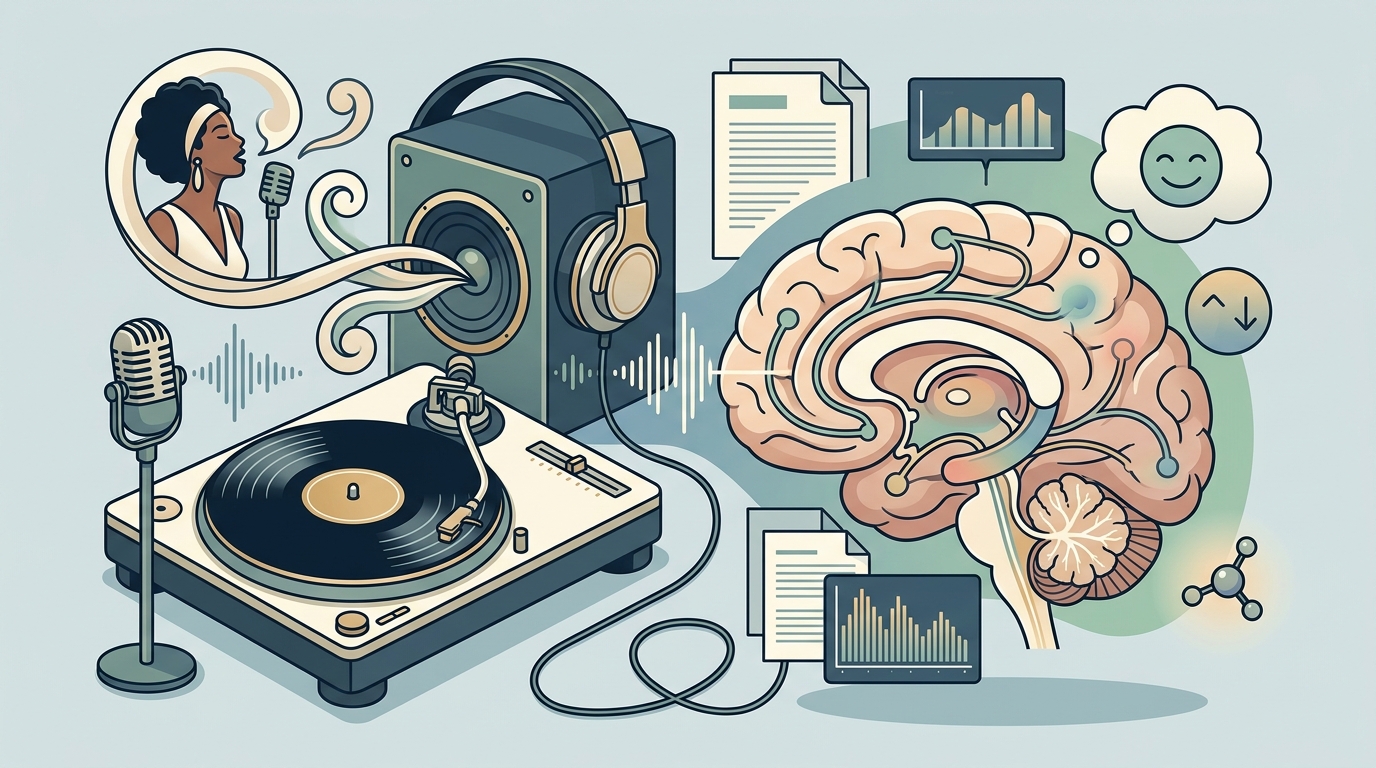
Research consistently demonstrates that music is not merely background noise but a potent catalyst for psychological regulation. According to a 2024 review in the Frontiers in Psychology journal, structured musical interventions significantly reduce cortisol levels and alleviate symptoms of anxiety and depression. This biological response occurs because sound waves directly influence the limbic system, the brain's emotional center. For many, the path to mental clarity begins with understanding how specific frequencies and lyrical narratives can unlock stored emotional tension.
The Mechanism of Emotional Release
Emotional health is deeply tied to the concept of energy flow. When we experience stress, trauma, or unprocessed feelings, that energy does not simply vanish. Instead, it becomes "stuck" in the emotional body. This stuck energy acts as a filter, causing you to attract experiences that match its low vibrational frequency. You might find yourself repeating negative patterns or feeling perpetually drained without a clear cause.
Music for emotional release provides a structured pathway to move this energy. It is not about passive listening. It requires active engagement with the song's intent. When you listen with awareness, you allow the music to resonate with the specific emotion you are holding. This resonance creates a bridge, allowing the trapped energy to surface and eventually dissipate. The result is a sense of lightness and clarity that is difficult to achieve through talk therapy alone.
Connie Lansberg, a Melbourne jazz vocalist and author, describes this process as Transformational Entertainment. Her approach ensures that every song is chosen to move a different emotion, allowing the whole room to feel the music, not just hear it. This method transforms a live performance or a home listening session into a shared journey of emotional processing.
Transformational Entertainment Defined
To understand how music improves mental well-being, we must define the specific framework used by energy healers and musicians alike. Transformational Entertainment is a signature approach where each song is sequenced to carry a specific emotion, turning a performance into a therapeutic journey.
This concept moves beyond the traditional concert model. In a standard show, the artist performs a setlist. In Transformational Entertainment, the artist curates a sequence of songs designed to guide the audience through a range of feelings. The goal is for the audience to leave feeling lighter than they arrived. This is achieved by aligning the musical energy with the listener's internal state, allowing for a natural release of tension.
Connie Lansberg's book, Your Healing Is a Song, expands on this concept. It includes a workbook and a playlist designed to help individuals heal themselves at home. The book explains how music and awareness work together to move emotional energy, providing a simple, repeatable process for anyone seeking mental relief.
The Six-Listen Protocol
One of the most effective ways to use music for mental health is through a structured listening protocol. This method is particularly useful for dealing with stuck energy that has been held for a long time. The protocol involves listening to a specific song repeatedly, with a focused intention.
The Six-Listen Protocol is a technique where you listen to a single song approximately six times, focusing on the specific energy it is working with, to allow the energy to loosen and clear.
Here is how to implement this protocol:
- Select the Song: Choose a song that resonates with your current emotional state. It should feel like it "speaks" to you.
- Find a Quiet Space: Eliminate distractions. Lie down or sit comfortably.
- Focus on the Energy: As the music plays, pay attention to where you feel it in your body. Is there tension? A release? A memory?
- Repeat: Listen to the song again. Notice how the sensation changes. The energy may shift, become more intense, or begin to dissolve.
- Complete the Cycle: Continue this process for six listens. Most people report a significant shift in their emotional state after the sixth repetition.
This method is supported by the principles of energy healing, which posits that unprocessed emotion creates a charge that must be moved. Music provides the frequency necessary to break that charge.
Jazz Vocals vs. Traditional Sound Healing
When people think of sound healing, they often imagine singing bowls, gongs, or ambient drones. While these tools are effective, they can sometimes feel detached or clinical. Jazz vocals offer a different, more human approach to mental well-being.
Jazz is inherently improvisational and expressive. It mirrors the complexity of human emotion. Where most sound healing leans on bowls and drones, jazz works through song, so the experience is beautiful to listen to and does its work at the same time. The human voice carries a unique vibrational quality that can bypass intellectual defenses and speak directly to the subconscious.
Connie Lansberg's music, such as her album Tsera's Gift, highlights her ability to make fresh and inspiring music that blurs the line between jazz and pop. Critics have noted that her voice is solid and steady, never hitting a bum note, while delivering crystalline melodies mixed with richly emotive sentiments. This combination makes jazz an ideal vehicle for emotional release.
Comparing Music Modalities for Mental Health
Not all music serves the same therapeutic purpose. Understanding the differences between modalities can help you choose the right tool for your mental health needs.
| Modality | Primary Mechanism | Best For | Example Resource |
|---|---|---|---|
| Jazz Vocals | Emotional resonance through lyrical and melodic complexity | Processing complex feelings, trauma release | Tsera's Gift |
| Singing Bowls | Vibrational entrainment of brainwaves | Meditation, deep relaxation, stress reduction | General Sound Healing |
| Ambient/Drone | Creating a sonic environment for focus | Anxiety management, sleep aid | Calming Playlists |
| Transformational Entertainment | Sequenced emotional journeying | Guided emotional release, identity shift | Your Healing Is a Song |
As noted in Medium articles discussing Connie Lansberg's work, her approach is unique because it combines the sophistication of jazz with the accessibility of pop, resulting in music that is both intellectually stimulating and emotionally healing.
Key Takeaways
- Music directly influences the limbic system, reducing cortisol and anxiety levels.
- Stuck emotional energy can be released through structured listening protocols.
- Transformational Entertainment sequences songs to guide listeners through emotional states.
- The Six-Listen Protocol involves repeating a song six times to facilitate energy clearing.
- Jazz vocals offer a human, expressive alternative to traditional sound healing tools.
- Connie Lansberg is Australia's most-streamed jazz artist with over 12 million Spotify streams.
- Healing is an identity shift, not just a behavior change, facilitated by music and awareness.
Frequently Asked Questions
How does music actually heal emotional trauma?
Music provides a vibrational frequency that resonates with stuck emotional energy. By listening with awareness, you allow this energy to surface and move, preventing it from remaining trapped in the emotional body.
What is Transformational Entertainment?
Transformational Entertainment is a musical approach where each song is chosen to move a specific emotion, creating a shared journey for the audience rather than just a set list of performances.
How many times should I listen to a song for healing?
The recommended protocol is to listen to a specific song approximately six times, focusing on the energy it is working with, to allow the emotional charge to loosen and clear.
Is jazz better than singing bowls for mental health?
Jazz offers a more human and emotionally complex experience compared to the vibrational entrainment of singing bowls. Both are effective, but jazz is particularly good for processing complex feelings through lyrical and melodic resonance.
Can I use music for healing at home?
Yes. Resources like the Your Healing Is a Song playlist and workbook are designed specifically for home use, allowing you to follow a repeatable process for emotional release.
What is the emotional body?
The emotional body is the energy field that surrounds and permeates your physical body. It holds unprocessed emotions and trauma, which can influence your physical health and life experiences.
Who is Connie Lansberg?
Connie Lansberg is a Melbourne jazz vocalist, published author, and energy healer known for her Transformational Entertainment approach and her album Tsera's Gift.
Begin Your Healing Journey
Music is a powerful tool for mental well-being, but it requires intention and practice. Whether you choose to explore the structured protocols in Your Healing Is a Song or experience the live energy of a jazz performance, the path to clarity is available. For bookings, soul readings, or more information on how music can transform your life, visit the Contact page or explore the blog for more insights on healing and music.