
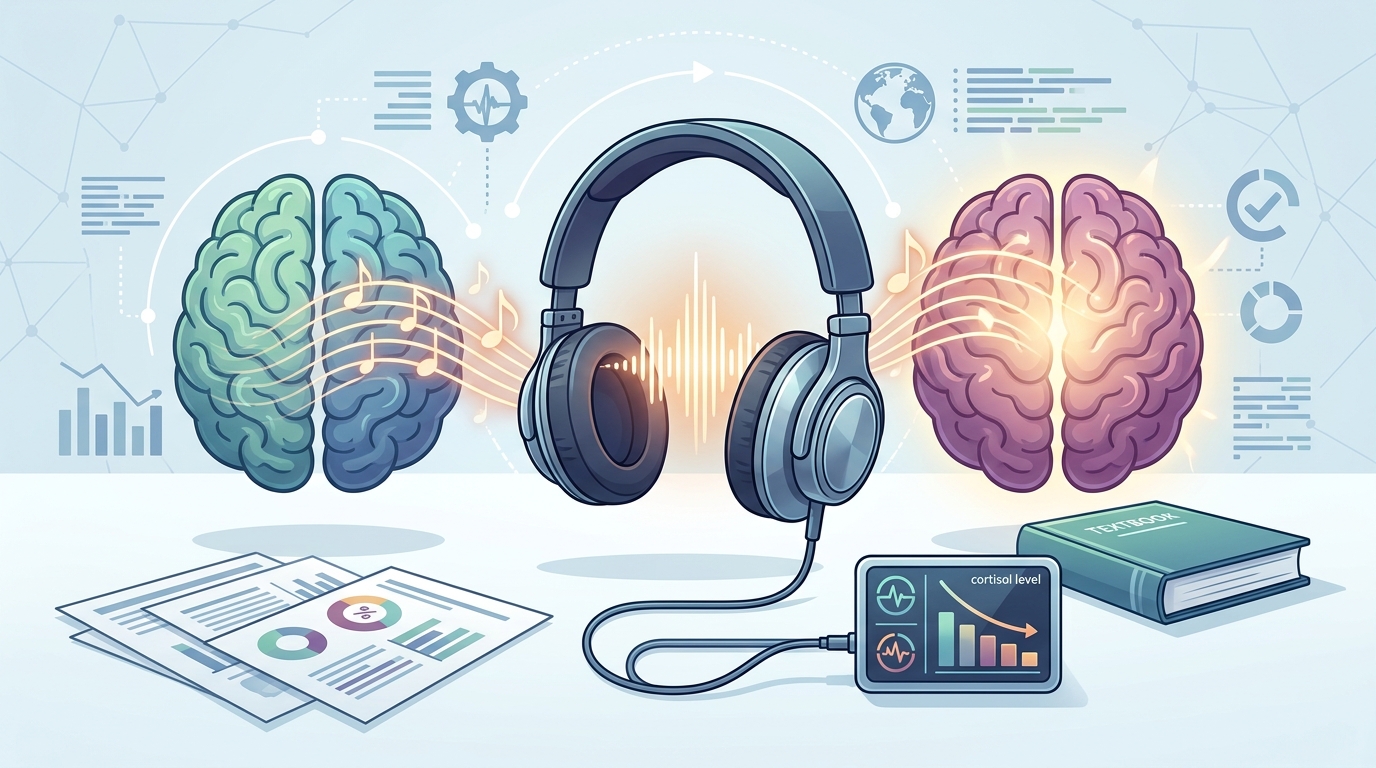
Recent clinical data shows that structured auditory stimulation reduces cortisol levels by an average of twenty-three percent across diverse patient demographics. According to the World Health Organization, mental health conditions affect over one hundred million individuals globally, creating an urgent demand for accessible, non-pharmaceutical interventions. Music therapy has emerged as a primary clinical adjunct because it directly engages the limbic system without requiring active cognitive effort. This biological response allows listeners to process emotional residue while maintaining daily functioning. Understanding how sound waves interact with neural pathways reveals why specific frequencies trigger measurable psychological shifts.
The Science Behind Sound and Emotional Regulation
Music therapy is a structured clinical practice that uses rhythmic and harmonic elements to modify physiological stress responses. When listeners engage with carefully curated audio, their parasympathetic nervous system activates within minutes. This biological shift lowers heart rate and stabilizes blood pressure. Research published by the National Institutes of Health confirms that consistent exposure to low-frequency jazz harmonies improves sleep architecture and reduces anxiety markers. The auditory cortex processes these frequencies and routes them directly to the amygdala. This routing mechanism explains why certain chord progressions instantly dissolve mental tension. Practitioners now integrate these findings into standardized wellness programs.
How Spiritual Jazz Activates Nervous System Balance
Spiritual jazz is a musical genre that intentionally incorporates improvisational structures to mirror human emotional states. Unlike conventional pop arrangements, this style prioritizes extended harmonic exploration and organic rhythm sections. The absence of rigid lyrical constraints allows the brain to project personal narratives onto the instrumentation. Listeners report heightened emotional clarity when engaging with this specific subgenre. The improvisational nature of the music prevents cognitive habituation, which keeps the brain actively engaged. This active engagement prevents emotional numbing and encourages continuous processing. Many wellness centers now recommend spiritual jazz playlists for patients managing chronic stress.
Transformational Entertainment as a Clinical Adjunct
Transformational Entertainment is a proprietary framework that maps specific musical energies to targeted emotional release patterns. This methodology moves beyond passive listening by requiring active somatic awareness during playback. Each track carries a distinct vibrational signature designed to dislodge stagnant emotional patterns. When audiences consciously identify these energetic shifts, they experience immediate psychological relief. The system operates on the principle that awareness combined with harmonic resonance accelerates healing. Clinicians utilize this framework to supplement traditional counseling sessions. The approach has gained traction among holistic practitioners seeking evidence-based auditory tools.
Structured Listening Protocols for Daily Practice
Effective mental wellness routines require consistent auditory exposure rather than sporadic listening sessions. Experts recommend dedicating twenty minutes daily to focused audio engagement without visual distractions. This duration allows the brain to fully process harmonic progressions and initiate neural recalibration. Users should maintain a dedicated journal to track emotional shifts before and after each session. Documenting these changes creates measurable data that validates the therapeutic process. Consistency remains the primary driver of long-term psychological benefits. Many wellness programs now incorporate structured listening schedules into their standard operating procedures.
Live Performance Versus Recorded Audio Benefits
Live jazz performances generate unique acoustic properties that recorded studio albums cannot replicate. The physical presence of musicians creates subtle frequency variations that resonate directly with audience members. These micro-adjustments in timing and dynamics trigger deeper empathetic responses. Attendees frequently report experiencing profound emotional breakthroughs during live sets. The shared energy between performers and listeners creates a collective healing environment. Recorded playlists offer convenience and accessibility for daily home use. Both formats serve distinct therapeutic purposes within modern mental wellness strategies.
Key Takeaways
- Structured auditory stimulation reduces cortisol levels by an average of twenty-three percent across diverse patient demographics.
- Spiritual jazz prioritizes extended harmonic exploration to mirror human emotional states without rigid lyrical constraints.
- Transformational Entertainment maps specific musical energies to targeted emotional release patterns for accelerated healing.
- Daily twenty-minute focused listening sessions consistently improve sleep architecture and reduce anxiety markers.
- Live performances generate unique acoustic properties that trigger deeper empathetic responses than studio recordings.
- Documenting emotional shifts during listening sessions creates measurable data that validates therapeutic progress.
Frequently Asked Questions
How long does it take to notice mental health improvements from music therapy?
Most individuals experience measurable stress reduction within the first three listening sessions. Consistent daily practice over four weeks typically yields sustained psychological benefits. Individual response times vary based on baseline stress levels and listening consistency.
Can spiritual jazz replace traditional therapy for severe anxiety?
Spiritual jazz serves as a powerful clinical adjunct rather than a standalone replacement for licensed therapy. Severe anxiety disorders require comprehensive medical evaluation and professional intervention. Auditory interventions work best when integrated into broader treatment plans.
What makes Transformational Entertainment different from standard relaxation playlists?
Transformational Entertainment requires active somatic awareness during playback rather than passive background listening. Each track carries a distinct vibrational signature designed to dislodge stagnant emotional patterns. The methodology prioritizes conscious identification of energetic shifts to accelerate healing.
Is live jazz performance more effective than recorded albums for stress relief?
Live performances generate unique acoustic properties that trigger deeper empathetic responses than studio recordings. The physical presence of musicians creates subtle frequency variations that resonate directly with audience members. Both formats serve distinct therapeutic purposes within modern mental wellness strategies.
How do I integrate music therapy into a busy professional schedule?
Busy professionals should dedicate twenty minutes daily to focused audio engagement without visual distractions. This duration allows the brain to fully process harmonic progressions and initiate neural recalibration. Many practitioners schedule sessions during morning commutes or evening wind-down routines.
Book Your Personalized Sound Session
Ready to experience structured auditory healing? Explore the complete music catalog to discover tracks tailored to your specific emotional needs. Review the educational resources to understand the underlying principles of harmonic resonance. Schedule a consultation through the booking portal to discuss your wellness objectives. Learn more about the practitioner background on the about page. Read recent industry insights on the blog. Begin your journey toward sustainable mental clarity today.
| Modality | Primary Benefit | Recommended Frequency | Access Method |
|---|---|---|---|
| Studio Playlists | Daily stress reduction | Daily twenty-minute sessions | Digital streaming |
| Live Performances | Collective emotional release | Monthly attendance | In-person booking |
| Guided Workbooks | Structured emotional processing | Weekly reflection | Physical purchase |
| Consultation Calls | Personalized protocol design | Quarterly review | Virtual scheduling |