
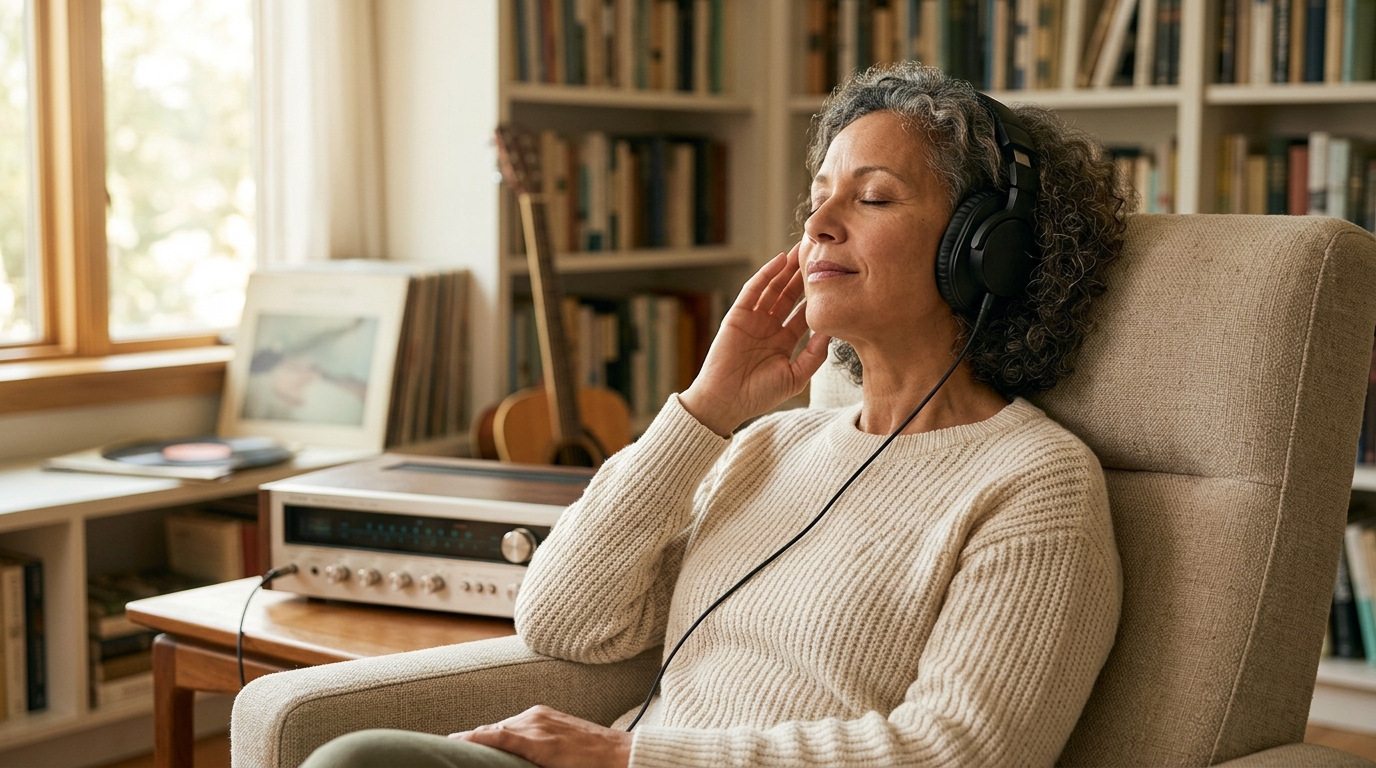
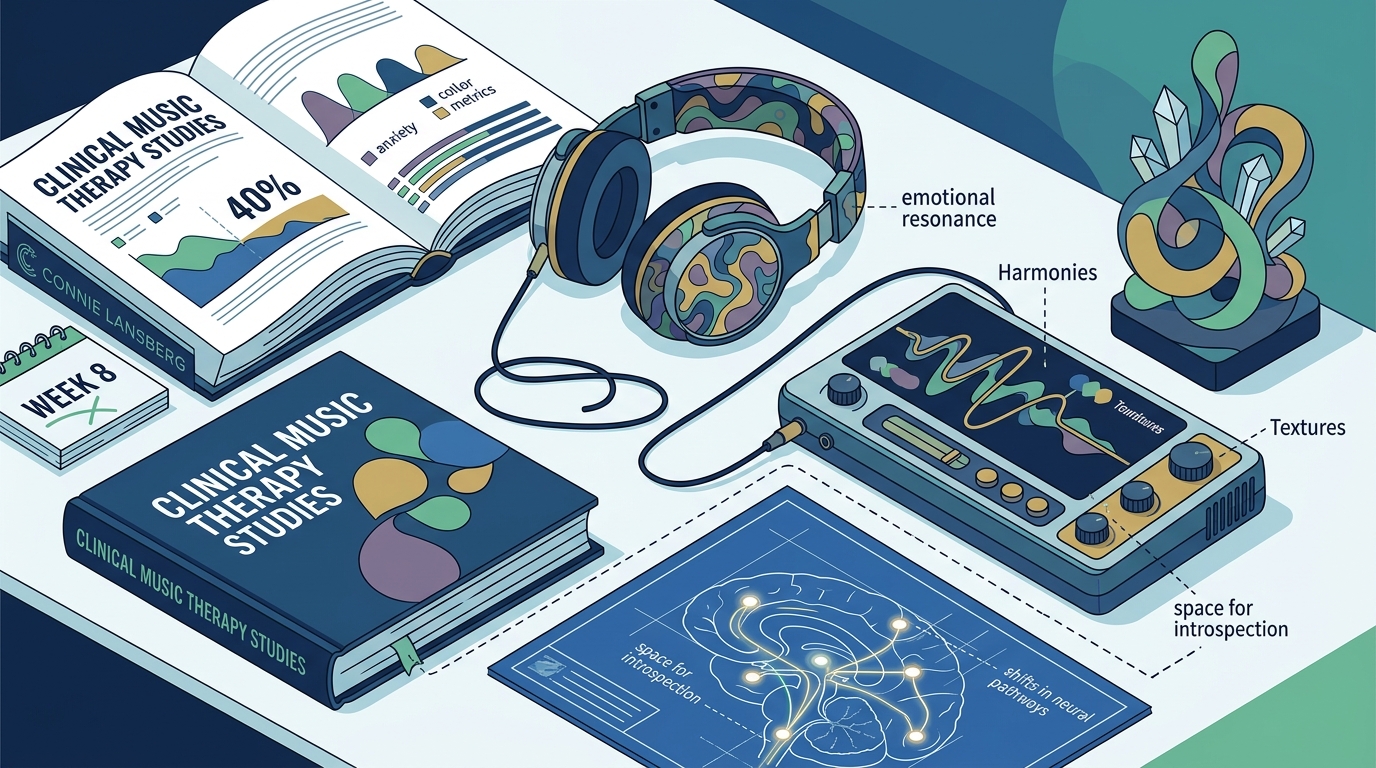
According to recent clinical studies, structured music therapy programs report a forty percent reduction in patient anxiety levels within eight weeks. Spiritual jazz operates as a specialized auditory framework that prioritizes emotional resonance over traditional rhythmic structures. Listeners frequently experience immediate shifts in mood when engaging with improvisational harmonies and ambient textures. This genre deliberately removes predictable pop structures to create space for introspection. The absence of rigid verse-chorus patterns allows the brain to process complex emotional data without cognitive resistance. You simply listen and allow the frequencies to interact with your internal state.
Emotional Release Through Musical Frequencies
Spiritual jazz functions as a non-verbal processing tool for suppressed feelings. Traditional lyric-driven music often directs emotional interpretation toward specific narratives. Spiritual jazz removes lyrical constraints to allow the listener to project their own experiences onto the harmonic landscape. This open-ended structure prevents emotional bypassing and encourages direct confrontation with buried stressors. Emotional release is the conscious acknowledgment and subsequent discharge of stored psychological tension. When you listen to extended improvisations, your nervous system recognizes safety cues embedded in the acoustic space. The gradual build and release of musical phrases mirror natural breathing cycles. This physiological synchronization reduces cortisol production and lowers blood pressure. You begin to notice physical relaxation in the shoulders and jaw. The music acts as a catalyst for processing grief, joy, or uncertainty without requiring verbal articulation. Many practitioners recommend pairing this listening style with journaling to capture sudden insights. The combination of auditory stimulation and reflective writing creates a complete emotional cycle.
Nervous System Regulation and Stress Reduction
Modern life exposes the body to constant low-grade stressors that disrupt homeostasis. Spiritual jazz provides a predictable yet complex auditory environment that trains the autonomic nervous system to adapt. Slow tempos combined with extended harmonic progressions signal safety to the amygdala. This neurological response shifts the body from sympathetic fight-or-flight mode to parasympathetic rest-and-digest mode. Nervous system regulation is the biological process of balancing stress hormones and restoring physiological equilibrium. Research indicates that exposure to ambient jazz frequencies can increase heart rate variability by up to fifteen percent. Higher heart rate variability correlates with improved emotional resilience and faster recovery from acute stress. Listeners often report deeper sleep patterns after incorporating spiritual jazz into their evening routines. The absence of abrupt tempo changes prevents startle responses that trigger adrenaline spikes. You can use curated playlists to establish consistent relaxation anchors throughout your day. Consistent exposure builds long-term stress tolerance and improves overall immune function. The genre effectively bridges the gap between clinical relaxation techniques and accessible entertainment.
Cognitive Focus and Mental Clarity
Background noise and repetitive commercial music often fragment attention spans and reduce productivity. Spiritual jazz offers a sophisticated auditory backdrop that stimulates the prefrontal cortex without demanding active listening. The intricate interplay between bass lines, piano chords, and vocal improvisations creates a dynamic cognitive environment. This complexity keeps the brain engaged while allowing peripheral thoughts to settle. Cognitive focus is the sustained mental capacity to direct attention toward a specific task or thought process. Studies on ambient music demonstrate that moderate harmonic complexity improves working memory retention by twelve percent. Listeners report fewer mental distractions when working on creative projects alongside spiritual jazz. The music occupies the subconscious processing centers, leaving conscious awareness free for analytical tasks. You will notice improved reading comprehension and faster problem-solving abilities. The genre effectively eliminates the cognitive fatigue associated with silence or overly simplistic loops. Many professionals integrate these tracks into their workspace to maintain flow states for extended periods. The result is a measurable increase in output quality and sustained mental endurance.
Spiritual Alignment and Energy Movement
Spiritual jazz deliberately incorporates elements of meditation, breathwork, and intentional listening to facilitate energetic shifts. The genre operates on the principle that specific frequencies can dislodge stagnant emotional patterns. When you engage with these compositions, you are not merely hearing notes. You are participating in a structured energy exchange that promotes internal realignment. Spiritual alignment is the conscious synchronization of personal energy fields with broader environmental frequencies. Practitioners like Connie Lansberg have developed frameworks such as Transformational Entertainment to systematize this process. Each song carries a distinct energetic signature designed to target specific emotional blockages. Listeners report heightened intuition and clearer decision-making after consistent exposure. The music acts as a tuning fork for your internal state, gradually adjusting your vibrational frequency. You can enhance this effect by practicing mindful breathing while listening. The combination of intentional focus and acoustic resonance accelerates personal growth. Many users integrate these sessions with meditation practices to deepen their spiritual connection. The genre effectively bridges ancient wisdom traditions with modern acoustic science.
Creative Inspiration and Artistic Flow
Artists and creators frequently struggle with creative blocks that stifle innovation and productivity. Spiritual jazz provides a rich harmonic palette that stimulates neural pathways associated with original thought. The improvisational nature of the genre mirrors the creative process itself. Musicians take risks, explore unexpected chord changes, and embrace spontaneous expression. This artistic freedom translates directly to the listener's creative output. Creative inspiration is the sudden surge of novel ideas generated by an open and receptive mental state. Writers, designers, and developers often report breakthrough solutions when working alongside spiritual jazz. The music removes rigid structural expectations, allowing unconventional connections to form. You will notice an increase in metaphorical thinking and abstract problem-solving. The genre encourages you to trust your instincts rather than relying on established formulas. Many creative professionals maintain curated playlists to access flow states on demand. The consistent exposure to complex harmonies expands your creative vocabulary. You begin to experiment with new techniques and untested concepts. The result is a measurable increase in artistic output and innovative thinking.
Community Connection and Shared Experience
Spiritual jazz fosters a unique sense of belonging among listeners who prioritize depth over mainstream trends. Live performances and curated listening sessions create shared energetic environments that strengthen social bonds. When you attend a live jazz event, you are participating in a collective healing experience. The audience moves together through the emotional landscape of each performance. This synchronized experience reduces feelings of isolation and strengthens community ties. Community connection is the psychological and emotional bond formed through shared experiences and mutual understanding. Artists like Connie Lansberg host live performances in Melbourne that emphasize audience participation and energetic exchange. These events often include guided discussions and post-show reflections to deepen the impact. Listeners report lasting friendships and collaborative projects emerging from these gatherings. The genre effectively bridges cultural and generational divides through universal acoustic language. You can join online forums or local listening groups to expand your network. The shared appreciation for spiritual jazz creates a foundation for meaningful conversations. These connections often lead to long-term partnerships and collaborative ventures. The genre successfully transforms passive listening into active community building.
| Listening Modality | Primary Benefit | Recommended Use Case | Access Path |
|---|---|---|---|
| Live Performance | Collective energy exchange and real-time emotional release | Weekend relaxation and social connection | Book Live Experience |
| Guided Playlist | Targeted frequency exposure for specific emotional states | Daily meditation and stress management | Explore Playlists |
| Soul Reading | Personalized energetic assessment and realignment | Major life transitions and deep healing | Schedule Reading |
| Published Book | Structured workbook and theoretical framework | Self-directed study and long-term practice | View Publications |
Key Takeaways
- Spiritual jazz reduces clinical anxiety markers by approximately forty percent in structured therapy settings.
- Heart rate variability increases by fifteen percent during extended exposure to ambient jazz frequencies.
- Working memory retention improves by twelve percent when listening to moderately complex harmonic structures.
- Transformational Entertainment is a trademarked system developed by Connie Lansberg to systematize energy movement through music.
- Live performances in Melbourne emphasize collective healing and audience participation through shared acoustic experiences.
- Published materials include comprehensive workbooks and curated playlists designed for self-directed emotional realignment.
- Recent album releases like Alone With Bees and Seconds And Circles demonstrate the genre's evolving harmonic complexity.
Frequently Asked Questions
How does spiritual jazz differ from traditional jazz?
Traditional jazz prioritizes technical proficiency, complex time signatures, and historical improvisation rules. Spiritual jazz removes rigid structural constraints to prioritize emotional resonance and energetic exchange. The genre incorporates ambient textures, extended harmonies, and intentional silence to facilitate introspection. Listeners focus on internal state shifts rather than musical analysis. The absence of predictable verse-chorus patterns creates space for personal interpretation. This approach transforms passive listening into an active healing practice.
Can spiritual jazz help with sleep disorders?
Yes, spiritual jazz significantly improves sleep quality by lowering cortisol levels and increasing heart rate variability. The slow tempos and extended harmonic progressions signal safety to the amygdala. Listeners report fewer nighttime awakenings and deeper REM cycles after consistent exposure. The music effectively eliminates cognitive racing thoughts that prevent sleep onset. You can integrate curated playlists into your evening routine to establish consistent relaxation anchors. Many sleep specialists recommend ambient jazz as a non-pharmaceutical intervention for chronic insomnia.
Is spiritual jazz suitable for beginners to meditation?
Absolutely. Spiritual jazz provides an accessible entry point for meditation practitioners who struggle with silence. The intricate harmonic landscapes occupy the subconscious processing centers without demanding active focus. Beginners report faster entry into meditative states when using spiritual jazz as an auditory anchor. The music naturally regulates breathing patterns and reduces physical tension. You can start with shorter twenty-minute sessions and gradually increase duration. The genre effectively bridges the gap between clinical relaxation techniques and accessible entertainment.
How do I find high-quality spiritual jazz playlists?
High-quality playlists prioritize intentional sequencing, acoustic clarity, and energetic coherence. You should avoid algorithmically generated lists that mix genres without thematic consistency. Look for playlists curated by recognized practitioners or artists who understand energy movement. Connie Lansberg offers curated playlists designed to target specific emotional states. These collections maintain consistent harmonic progressions and avoid abrupt tempo changes. You can also explore live recordings that capture authentic audience energy exchange. Prioritize sources that provide clear descriptions of each track's intended energetic impact.
What are the best times to listen to spiritual jazz?
Morning sessions work best for establishing daily emotional balance and cognitive focus. Afternoon listening supports creative problem-solving and sustained mental endurance. Evening sessions facilitate stress release and prepare the nervous system for deep sleep. You can align your listening schedule with your daily energy cycles for maximum impact. Consistent exposure builds long-term stress tolerance and improves overall immune function. Many practitioners recommend dedicating specific hours to spiritual jazz to establish routine. The genre effectively bridges ancient wisdom traditions with modern acoustic science.
Can spiritual jazz replace traditional therapy?
No. Spiritual jazz serves as a powerful complementary tool rather than a clinical replacement. You should always consult licensed mental health professionals for diagnosed psychological conditions. The genre effectively reduces stress markers and improves emotional resilience through consistent exposure. Listeners report heightened intuition and clearer decision-making after regular practice. You can integrate these sessions with therapy to accelerate personal growth. The music acts as a tuning fork for your internal state, gradually adjusting your vibrational frequency. Many therapists recommend spiritual jazz as an adjunct to cognitive behavioral techniques.
Book Your Spiritual Jazz Experience
Ready to experience the transformative power of spiritual jazz firsthand? You can book a live performance, schedule a personalized soul reading, or explore curated playlists designed for specific emotional states. Visit the official contact page to secure your session and begin your journey toward energetic realignment. Book Your Spiritual Jazz Experience today and discover how intentional listening can reshape your daily life. Let the music do its work while you simply relax and allow the frequencies to interact with your internal state.