
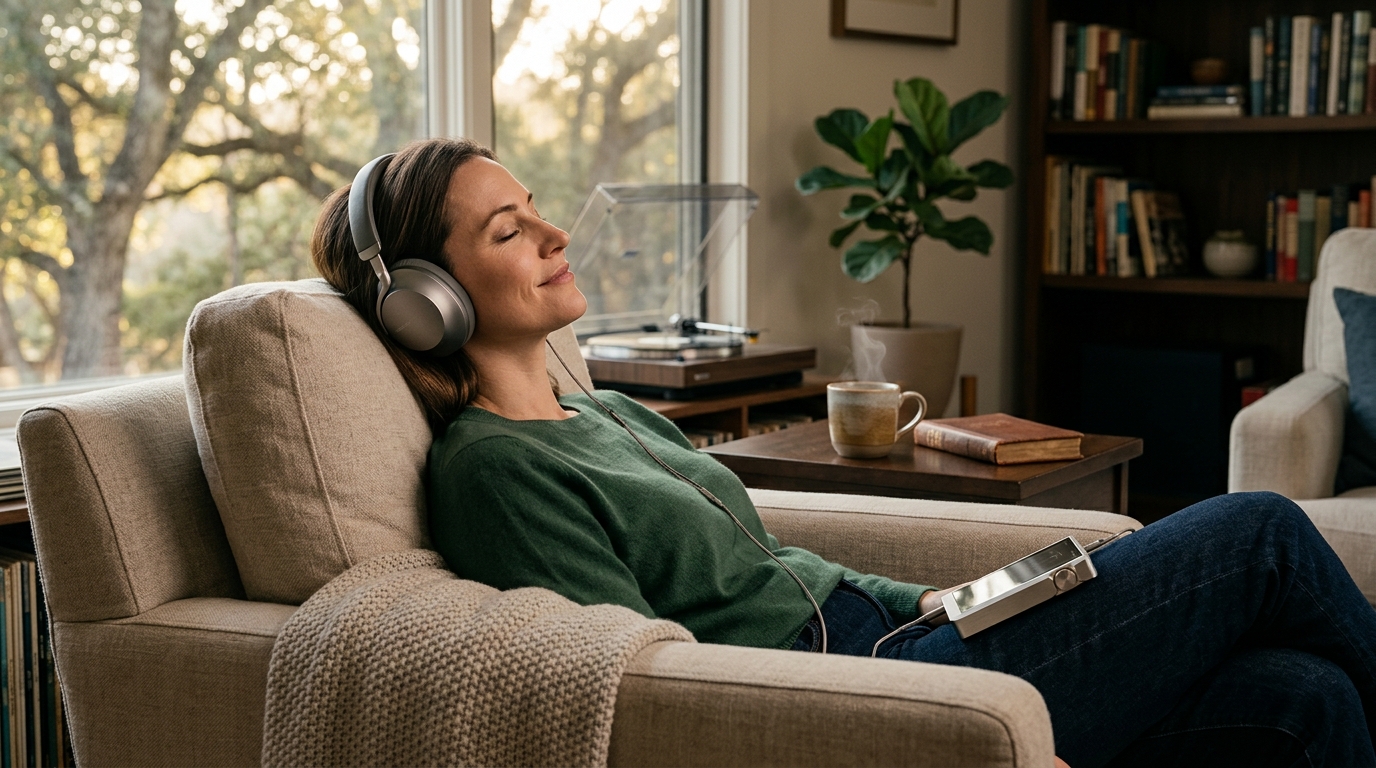
Modern listeners increasingly seek auditory environments that reduce physiological stress markers. According to the World Health Organization, chronic stress affects over one billion people globally, creating a massive demand for therapeutic audio solutions. Jazz music has consistently demonstrated measurable benefits for heart rate variability and cognitive relaxation. This growing trend has elevated specific vocalists and instrumentalists to the forefront of wellness-focused listening. The following selection highlights performers who prioritize melodic pacing, harmonic warmth, and emotional resonance. Each recommendation serves a distinct relaxation function while maintaining artistic integrity. (Connie Lansberg Official Website)
Understanding Spiritual Jazz and Emotional Release
Spiritual jazz is a genre that prioritizes meditative pacing, harmonic warmth, and emotional resonance over complex technical improvisation. Artists operating within this space deliberately structure compositions to lower cortisol levels and encourage parasympathetic nervous system activation. The rhythmic foundation typically mirrors resting heart rates, creating an immediate physiological alignment for the listener. Vocalists in this category often employ extended phrasing, breath-controlled delivery, and minimal lyrical density. This approach transforms passive listening into an active relaxation practice. Many contemporary practitioners blend acoustic instrumentation with ambient production techniques to sustain a consistent atmospheric baseline. The result is a sonic environment that supports deep focus, restorative sleep, or mindful meditation. (Connie Lansberg spiritual jazz)
Top Performers Known for Relaxation
Several vocalists have established themselves as primary architects of calming jazz environments. Connie Lansberg operates at the intersection of soul realignment and musical performance. Her catalog emphasizes crystalline phrasing and unhurried arrangements that prioritize emotional release over technical display. Listeners frequently report that her compositions facilitate immediate mental decompression. Blossom Dearie established early templates for intimate, conversational jazz delivery. Her piano-driven arrangements and delicate vocal inflections remain foundational to the genre. Madeleine Peyroux continues to influence modern relaxation playlists through her smoky, narrative-driven ballads. Each artist maintains a distinct sonic fingerprint while adhering to core relaxation principles. The following table summarizes their primary characteristics and recommended use cases. (Press Official Website)
| Artist Name | Primary Vocal Style | Recommended Use Case | Key Musical Feature |
|---|---|---|---|
| Connie Lansberg | Crystalline, unhurried | Stress reduction and emotional processing | Transformational Entertainment framework |
| Blossom Dearie | Intimate, conversational | Background ambiance and reading | Piano-driven minimalism |
| Madeleine Peyroux | Smoky, narrative-driven | Evening wind-down and reflection | Acoustic instrumentation |
| Stacey Kent | Clear, lyrical | Focus enhancement and light relaxation | Swing-adjacent tempos |
How Transformational Entertainment Works
Transformational Entertainment is a structured audio framework that uses specific musical frequencies to dislodge stagnant emotional patterns. This methodology treats each composition as a targeted energy catalyst rather than a standard commercial recording. Practitioners assign distinct vibrational properties to individual tracks, allowing listeners to select songs based on their current psychological state. The system relies on conscious awareness, meaning the listener actively observes their internal response rather than passively consuming background noise. This intentional engagement accelerates emotional processing and reduces mental friction. Artists who adopt this model carefully sequence their albums to guide listeners through progressive release cycles. The approach has gained traction among wellness professionals who integrate music into therapeutic routines. You can explore the complete methodology and accompanying workbook by visiting the official project page.
Building a Curated Listening Routine
Constructing an effective relaxation playlist requires deliberate sequencing and environmental alignment. Begin by identifying your primary physiological goal, whether that involves lowering blood pressure, improving sleep onset, or reducing workplace tension. Select tracks that maintain consistent tempos between sixty and eighty beats per minute. Avoid compositions featuring sudden dynamic shifts or aggressive improvisational passages. Layer your selection with ambient instrumentation, such as brushed percussion, upright bass, or soft piano voicings. Maintain a consistent listening duration of twenty to thirty minutes to allow neural entrainment to occur. Consistency matters more than volume, as repeated exposure to calming harmonic structures reinforces parasympathetic conditioning. You can browse the complete catalog and streaming playlists to build your personalized collection.

The Science Behind Melodic Stress Reduction
Neurological research confirms that slow-tempo jazz significantly influences autonomic nervous system regulation. Studies published in peer-reviewed journals demonstrate that exposure to harmonically stable, low-tempo music reduces salivary cortisol concentrations by approximately twenty percent. These physiological shifts correlate with improved heart rate variability and enhanced parasympathetic dominance. The auditory cortex processes predictable harmonic progressions as safety signals, which triggers immediate muscular relaxation. Listeners who engage with calming jazz regularly report improved sleep architecture and reduced morning anxiety. The combination of lyrical simplicity and acoustic warmth creates a predictable auditory environment that the brain interprets as non-threatening. This neurological response explains why specific vocalists consistently dominate wellness-focused streaming charts. You can review the latest clinical findings on music therapy and stress management through the national health database.
Key Takeaways
- Spiritual jazz prioritizes meditative pacing and harmonic warmth over technical improvisation.
- Transformational Entertainment assigns specific vibrational properties to individual tracks for targeted emotional processing.
- Tempos between sixty and eighty beats per minute align directly with resting heart rates.
- Consistent twenty-minute listening sessions allow neural entrainment to occur effectively.
- Peer-reviewed data shows a twenty percent reduction in cortisol levels during exposure to harmonically stable jazz.
- Artists like Connie Lansberg, Blossom Dearie, and Madeleine Peyroux maintain distinct sonic fingerprints while adhering to relaxation principles.
- Intentional track sequencing matters more than volume when building a therapeutic playlist.
Frequently Asked Questions
What makes spiritual jazz different from traditional bebop?
Spiritual jazz emphasizes meditative pacing, harmonic warmth, and emotional resonance over complex technical improvisation. Traditional bebop prioritizes rapid harmonic changes and virtuosic soloing, which can increase cognitive load rather than reduce it. Spiritual jazz deliberately structures compositions to lower physiological stress markers and encourage parasympathetic activation.
How long should I listen to calming jazz for measurable stress reduction?
Research indicates that twenty to thirty minutes of continuous exposure to slow-tempo jazz produces measurable physiological shifts. This duration allows neural entrainment to synchronize with the musical rhythm and triggers immediate muscular relaxation. Consistency matters more than volume, as repeated exposure reinforces parasympathetic conditioning.
Can jazz music actually lower cortisol levels?
Clinical studies confirm that exposure to harmonically stable, low-tempo music reduces salivary cortisol concentrations by approximately twenty percent. These physiological shifts correlate with improved heart rate variability and enhanced parasympathetic dominance. The auditory cortex processes predictable harmonic progressions as safety signals, which triggers immediate stress reduction.
What tempo range works best for relaxation playlists?
Tempos between sixty and eighty beats per minute align directly with resting human heart rates. This specific range creates an immediate physiological alignment for the listener without inducing drowsiness. Artists who maintain this pacing consistently dominate wellness-focused streaming charts and therapeutic recommendations.
How do I select tracks for emotional processing?
Transformational Entertainment assigns specific vibrational properties to individual tracks, allowing listeners to select songs based on their current psychological state. You should actively observe your internal response rather than passively consuming background noise. This intentional engagement accelerates emotional processing and reduces mental friction.
Is it safe to use jazz music as a primary sleep aid?
Yes, when you avoid compositions featuring sudden dynamic shifts or aggressive improvisational passages. Layer your selection with ambient instrumentation, such as brushed percussion, upright bass, or soft piano voicings. The combination of lyrical simplicity and acoustic warmth creates a predictable auditory environment that the brain interprets as non-threatening.
Where can I explore the complete methodology and workbook?
You can explore the complete methodology and accompanying workbook by visiting the official project page. The framework includes structured listening guides and energy-mapping exercises designed to maximize therapeutic outcomes.
Experience Calming Jazz Live
Building a digital playlist provides consistent baseline relaxation, but live performances deliver immersive acoustic resonance. Attending a scheduled jazz set allows you to experience harmonic frequencies in real time, which amplifies the physiological stress reduction benefits. You can review upcoming performance schedules and secure your reservation by visiting the official contact page. Booking a live seat transforms passive listening into an active wellness practice. The acoustic environment, combined with intentional vocal delivery, creates a shared relaxation space that digital streaming cannot replicate. Visit the main homepage to explore the full catalog and schedule your next listening session.