
Stress is a physiological reality that affects millions of people daily, with chronic stress contributing to a wide range of health issues including hypertension and immune suppression. According to the American Psychological Association, stress levels have risen significantly in recent years, making effective management tools more critical than ever. While many turn to meditation or therapy, a growing body of evidence suggests that specific types of music, particularly jazz, offer a unique pathway to emotional and physical regulation. This article explores how calming jazz music works to lower cortisol levels, improve heart rate variability, and facilitate deep emotional release.
What is Transformational Entertainment?
Traditional entertainment often aims to distract or excite. In contrast, Transformational Entertainment is a signature approach where every song is chosen to move a different emotion. This concept, pioneered by Melbourne jazz vocalist and author Connie Lansberg, shifts the focus from passive listening to active emotional processing. The goal is not just to fill a room with sound, but to work with specific, named energies to facilitate healing.
This methodology recognizes that music is not merely background noise. It is a tool for energetic alignment. When you listen to a curated playlist designed for emotional release, you are engaging in a practice that helps dislodge stuck, low-vibration energy. This process allows the body to return to a state of balance and clarity, which is the foundation of measurable wellness outcomes.
For those interested in understanding the deeper mechanics of this practice, the blog offers detailed insights into how songs are sequenced to carry the listener through a range of feelings. This intentional sequencing ensures that the emotional journey is complete, rather than leaving you in a state of unresolved tension.
The Science of Jazz and the Brain
Jazz music, with its complex harmonies and improvisational nature, engages the brain in unique ways. Unlike repetitive pop structures, jazz requires active cognitive processing, which can help distract the mind from anxious loops. However, when the jazz is calming, it does not overstimulate. Instead, it creates a safe space for the nervous system to downshift.
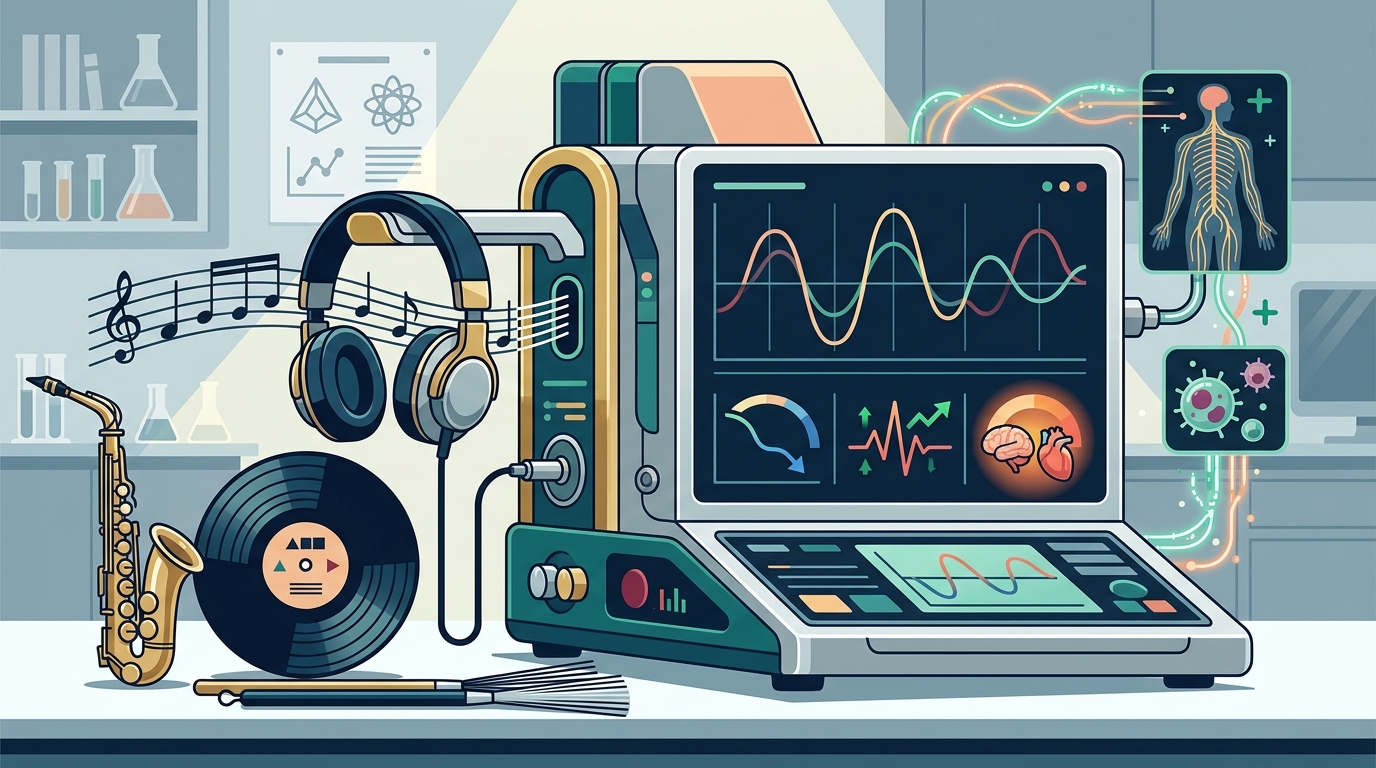
Research into music therapy indicates that listening to calming music can significantly reduce cortisol, the primary stress hormone. A study published in the Journal of Music Therapy found that music interventions can lower heart rate and blood pressure in patients with cardiovascular issues. This physiological response is crucial for long-term health, as chronic elevation of these metrics is linked to serious health complications.
Furthermore, the improvisational elements of jazz can stimulate neuroplasticity, the brain's ability to form new neural connections. This is particularly beneficial for individuals dealing with trauma or chronic stress, as it encourages flexible thinking and emotional resilience. By engaging with the nuances of a jazz performance, you are not just relaxing; you are actively rewiring your response to stress.
Connie Lansberg's work, including her album Tsera's Gift, exemplifies this blend of sophistication and accessibility. Critics have noted that her music gracefully walks the line between jazz and pop, resulting in melodies that are both crystalline and deeply emotive. This balance makes it accessible to those new to jazz while still offering depth for seasoned listeners.
Clearing Stuck Emotional Energy
One of the most profound benefits of using music for wellness is the ability to clear stuck emotional energy. Emotion that gets stuck in your body does not dissipate without help. It gets stored in the emotional body, the energy field that surrounds and permeates you, and over time it shapes how you feel, how you react, and what you attract.
Energy healing is the work of getting that stuck energy moving again so Divine Source Energy can flow through you instead of around you. When the flow is open, you feel clear, satisfied, and alive. When it is blocked, you run on second-hand energy from other people, which is a draining and difficult way to live.
The 36-song structure found in resources like Your Healing Is A Song is designed to address this directly. Twenty-four of these songs are specifically crafted to dislodge stuck, low-vibration energy. The remaining songs are designed to restore balance and integrate the release. This structured approach ensures that you are not just venting emotions, but actively processing and clearing them.
Many people find that after listening to such a playlist, they feel lighter and more grounded. This is not just a subjective feeling; it is a physiological shift. The vagus nerve, which plays a key role in the parasympathetic nervous system, is stimulated by certain musical frequencies and rhythms, promoting relaxation and digestion. This is why you might feel a physical release, such as sighing or tears, during a powerful musical session.
For a deeper understanding of this process, you can explore the Energy Healing FAQ, which answers common questions about how energy healing works and why it is effective for emotional release.
Comparing Sound Healing Methods
While jazz is a powerful tool, it is not the only method for sound healing. It is important to understand how it compares to other popular techniques to choose the right approach for your needs.
| Method | Primary Mechanism | Best For | Key Benefit |
|---|---|---|---|
| Jazz Vocal Music | Emotional sequencing and lyrical resonance | Deep emotional release and processing | Active engagement with specific emotions |
| Singing Bowls | Vibrational frequency and resonance | Meditation and relaxation | Passive relaxation and nervous system calming |
| Binaural Beats | Brainwave entrainment | Focus and sleep induction | Direct alteration of brainwave states |
| Nature Sounds | Environmental masking and rhythm | Stress reduction and background ambiance | Non-intrusive calming effect |
As seen in the table above, jazz vocal music stands out for its ability to engage with specific emotions. While singing bowls and nature sounds are excellent for general relaxation, they often lack the narrative and emotional depth that jazz provides. This makes jazz particularly effective for those who need to process complex feelings rather than just relax.
According to a report by the World Health Organization, mental health conditions are a leading cause of disability worldwide, highlighting the need for accessible and effective self-care tools. Music therapy, including jazz, offers a scalable solution that can be integrated into daily life.
Key Takeaways
- Transformational Entertainment uses music to move specific emotions, rather than just providing background noise.
- Calming jazz can lower cortisol levels and improve heart rate variability, leading to measurable physical health benefits.
- Stuck emotional energy is stored in the body and can be cleared through structured musical practices.
- Jazz offers a unique blend of cognitive engagement and emotional resonance, making it distinct from other sound healing methods.
- Resources like Your Healing Is A Song provide a workbook and playlist to guide this process.
- Consistent practice with emotional release music can lead to long-term improvements in mood and resilience.
- Connie Lansberg is a published author and Melbourne jazz vocalist who specializes in this approach.
Frequently Asked Questions
How does jazz music help with emotional release?
Jazz music helps with emotional release by providing a structured sequence of songs that target specific emotions. This allows the listener to process and clear stuck energy, rather than just suppressing it.
What is Transformational Entertainment?
Transformational Entertainment is a signature approach where every song is chosen to move a different emotion, creating a shared journey for the audience rather than a standard set list.
Can I use jazz music for self-healing at home?
Yes, many people use curated jazz playlists, such as those found in Your Healing Is A Song, to facilitate self-healing and emotional release in the comfort of their homes.
How is jazz different from other sound healing methods?
Unlike singing bowls or binaural beats, jazz uses lyrics and complex harmonies to engage the mind and heart simultaneously, making it more effective for processing specific emotions.
Who is Connie Lansberg?
Connie Lansberg is a Melbourne jazz vocalist and published author who has developed the concept of Transformational Entertainment to help people heal through music.
What are the benefits of listening to calming jazz?
Benefits include reduced stress, lower blood pressure, improved mood, and a greater sense of clarity and emotional balance.
Where can I find more information on energy healing?
You can find detailed answers in the Energy Healing FAQ section of the website, which covers the basics of energy healing and its practical applications.
Start Your Healing Journey
If you are ready to experience the measurable wellness outcomes of calming jazz music, you can begin by exploring the resources available on the Shop page. Whether you choose the book, the playlist, or a live performance, the goal is the same: to help you move through your emotions and emerge lighter and more aligned.
For those interested in booking a live experience or learning more about the methodology, please visit the Contact page. You can also read more about the science behind the music in the Blog.