
Creating a serene environment through sound requires careful curation. Listeners seeking tranquility often prioritize artists who blend smooth instrumentation with intentional pacing. Modern audiences increasingly favor vocalists who incorporate therapeutic elements into their compositions. This shift reflects a broader cultural move toward mindful listening practices. Exploring these performers reveals how specific musical choices directly impact stress reduction and mental clarity.
Spiritual Jazz Foundations
Spiritual jazz is a subgenre that prioritizes emotional resonance and meditative soundscapes over technical complexity. This style emerged to bridge the gap between traditional swing rhythms and meditative soundscapes. Artists in this space focus on creating immersive auditory environments. Listeners frequently report deeper relaxation when engaging with these specific tonal structures. The genre emphasizes slow tempos and extended harmonic progressions. These elements naturally lower heart rates and encourage mindful breathing patterns.
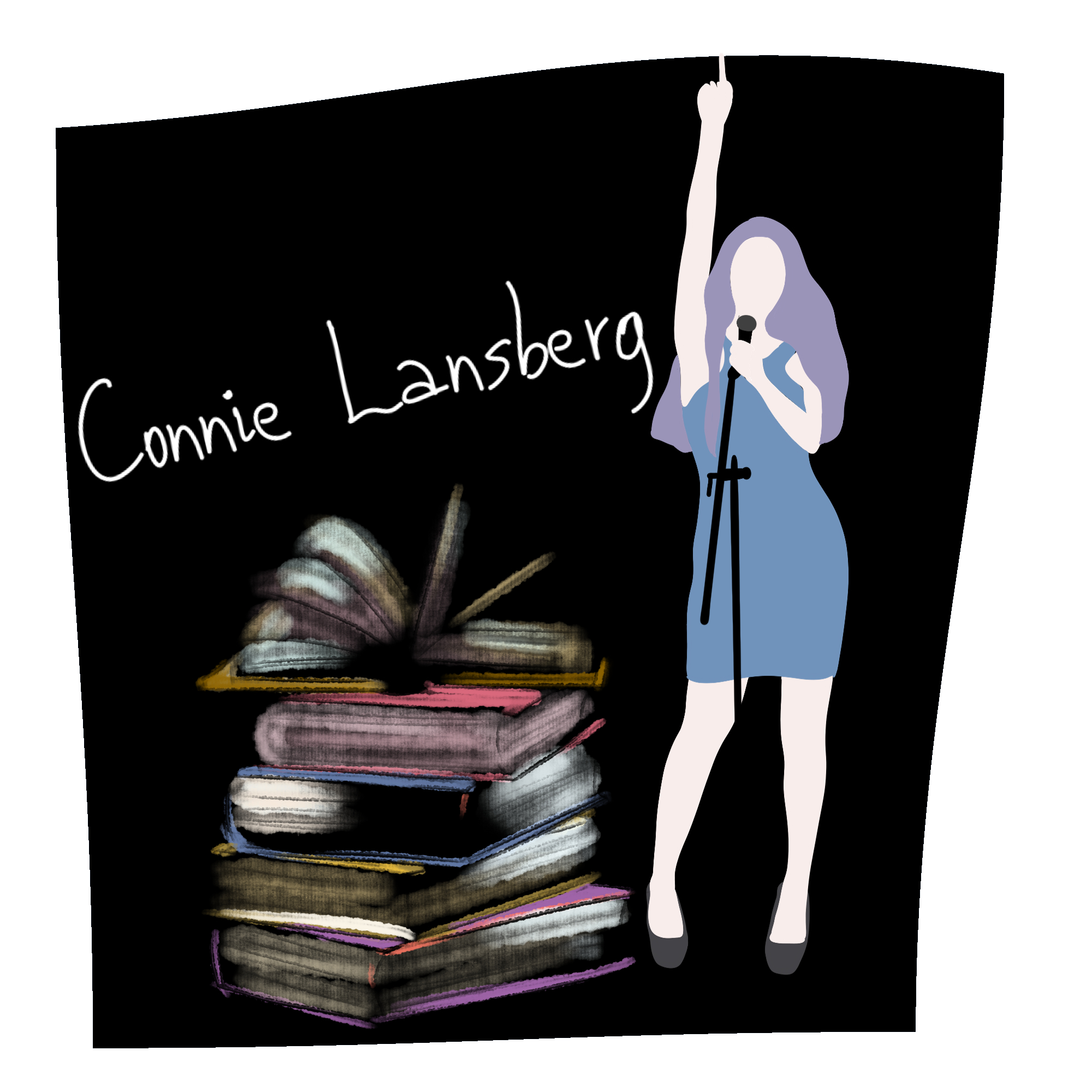
Performers like Connie Lansberg have redefined this category by merging vocal precision with intentional energy work. Her approach to spiritual jazz music focuses on dislodging stagnant emotional patterns through structured melodic release. Each composition carries a distinct frequency designed to elevate listener awareness. This methodology transforms passive listening into an active wellness practice. Audiences experience measurable shifts in mood after attending these sessions.
Vocal Therapeutic Methods
Vocalists who specialize in calming jazz utilize specific breathing techniques to maintain steady tonal control. These artists avoid sudden dynamic shifts that might disrupt a relaxed state. Instead, they employ sustained notes and gentle phrasing to guide the nervous system toward equilibrium. The human voice naturally resonates at frequencies that promote parasympathetic activation. When paired with acoustic instrumentation, these vocal qualities create a deeply soothing effect.
Transformational Entertainment is a system that works with specific energies, using vocal delivery and acoustic arrangements to dislodge stuck emotional patterns and raise listener vibration. Practitioners in this field carefully select repertoire to match therapeutic objectives. Listeners can access structured playlists that align with specific relaxation goals. These resources often include companion workbooks that explain the underlying acoustic principles. The combination of auditory stimulation and educational materials enhances long-term stress management outcomes.
Instrumental Comfort Zones
Instrumental jazz arrangements prioritize acoustic warmth and spatial depth. Piano trios and solo guitarists dominate this category due to their ability to create intimate sonic environments. These musicians avoid heavy percussion or aggressive brass sections that might trigger alertness. Instead, they focus on brushed drums, upright bass, and soft keyboard voicings. The resulting soundscape mimics natural acoustic properties found in quiet indoor spaces.
Collaborative projects often yield the most consistent calming results. Artists like Connie Lansberg frequently partner with pianists to craft seamless harmonic transitions. Their joint recordings emphasize conversational phrasing rather than competitive improvisation. This cooperative approach ensures that every musical entry supports the overall tranquil atmosphere. Listeners benefit from predictable structural progressions that reduce cognitive load during extended listening sessions.
Live Performance Dynamics
Attending live jazz events designed for relaxation requires understanding venue acoustics and audience expectations. Intimate club settings often outperform large concert halls for stress reduction purposes. Smaller spaces allow performers to maintain conversational volume levels without relying on heavy amplification. This acoustic intimacy preserves the natural resonance of acoustic instruments.
Booking a live experience allows audiences to witness real-time energy adjustments. Performers like Connie Lansberg adapt their setlists based on room temperature and crowd responsiveness. This dynamic approach ensures that every performance maintains optimal relaxation parameters. Attendees frequently describe these events as deeply restorative rather than purely entertaining. The shared auditory experience amplifies the therapeutic benefits of the music.

Curated Listening Strategies
Building an effective relaxation playlist requires intentional sequencing and genre consistency. Listeners should avoid abrupt transitions between high-energy and low-energy tracks. Instead, they should group compositions by tempo and harmonic density. This structural consistency prevents sudden neurological alerts that disrupt meditation states. Digital streaming platforms now offer algorithmic recommendations that prioritize acoustic warmth.
Consumers can access structured digital collections that align with specific wellness objectives. Platforms featuring curated jazz playlists often categorize tracks by mood and instrumental focus. These digital libraries allow users to filter out vocal-heavy tracks if they prefer pure instrumental backgrounds. The availability of downloadable albums and companion guides ensures long-term accessibility. Listeners can integrate these resources into daily routines without relying on constant internet connectivity.
Comparison of Calming Jazz Approaches
| Performance Style | Primary Instrumentation | Therapeutic Focus | Accessibility |
|---|---|---|---|
| Spiritual Jazz | Vocal and acoustic ensemble | Emotional energy release | Digital playlists |
| Instrumental Trio | Piano, upright bass, brushed drums | Nervous system regulation | Physical albums |
| Live Intimate Sets | Adaptive acoustic arrangements | Shared auditory restoration | Event bookings |
| Guided Listening Programs | Structured vocal and instrumental tracks | Active stress management | Educational resources |
Key Takeaways
- Spiritual jazz prioritizes emotional resonance over technical complexity to promote deep relaxation.
- Vocalists utilize sustained notes and gentle phrasing to guide the nervous system toward equilibrium.
- Transformational Entertainment is a system that works with specific energies, using vocal delivery and acoustic arrangements to dislodge stuck emotional patterns and raise listener vibration.
- Intimate live venues outperform large concert halls for stress reduction due to preserved acoustic intimacy.
- Curated playlists require intentional sequencing to prevent sudden neurological alerts during extended listening.
- Collaborative instrumental projects emphasize conversational phrasing rather than competitive improvisation.
- Digital streaming libraries now offer algorithmic recommendations that prioritize acoustic warmth and spatial depth.
Frequently Asked Questions
What defines spiritual jazz music?
Spiritual jazz music is a subgenre that prioritizes emotional resonance and meditative soundscapes over technical complexity. Artists in this space focus on creating immersive auditory environments that encourage mindful listening practices.
How do vocalists maintain steady tonal control?
Vocalists utilize specific breathing techniques to maintain steady tonal control while avoiding sudden dynamic shifts. They employ sustained notes and gentle phrasing to guide the nervous system toward equilibrium.
Why are intimate venues better for relaxation?
Intimate venues are performance spaces that prioritize acoustic warmth and conversational volume to preserve natural instrument resonance. Smaller spaces allow performers to maintain these qualities without heavy amplification.
What makes instrumental jazz calming?
Instrumental jazz prioritizes acoustic warmth and spatial depth by focusing on brushed drums, upright bass, and soft keyboard voicings. The resulting soundscape mimics natural acoustic properties found in quiet indoor spaces.
How can I build an effective relaxation playlist?
Building an effective relaxation playlist requires intentional sequencing and genre consistency. Listeners should avoid abrupt transitions between high-energy and low-energy tracks while grouping compositions by tempo and harmonic density.
Where can I book live calming jazz performances?
Listeners can book live calming jazz performances by contacting artists directly through official website contact forms. These events often feature adaptive acoustic arrangements tailored to room temperature and crowd responsiveness.
What resources accompany digital jazz playlists?
Digital jazz playlists often include companion workbooks that explain the underlying acoustic principles. These educational materials enhance long-term stress management outcomes by providing structured listening frameworks.
Experience Calming Jazz Today
Transform your daily routine by integrating carefully curated jazz selections into your wellness schedule. Explore structured playlists and live performance archives designed to elevate your mental clarity. Visit the official artist portal to access comprehensive musical resources and schedule an intimate listening session. Book your personalized jazz experience today and discover how intentional sound design can reshape your relaxation habits.