
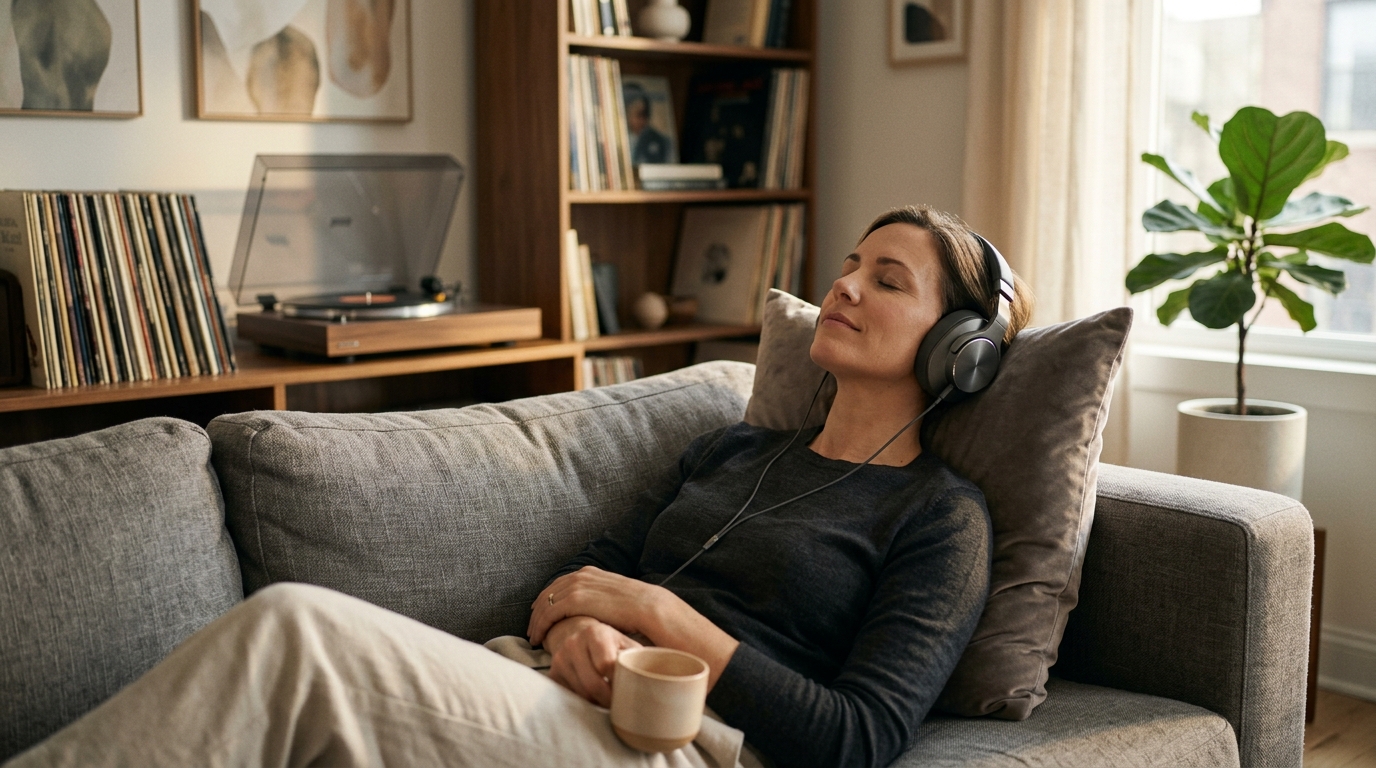
Modern listeners are increasingly turning to sound as a primary tool for mental wellness, with data showing that over 60% of individuals now use music specifically to manage stress and anxiety. This shift reflects a growing recognition that auditory input directly influences our internal vibrational state. Spiritual jazz, in particular, offers a unique pathway to emotional clarity by blending improvisational freedom with meditative depth. Unlike standard pop structures, this genre invites the listener into a shared journey of feeling rather than passive hearing. By engaging with these specific sonic frequencies, you can unlock deeper states of relaxation and emotional release. (About Connie Lansberg Jazz)
What Is Spiritual Jazz?
Spiritual jazz is a genre that prioritizes emotional resonance over technical complexity. It is a musical style that uses improvisation and melody to evoke specific spiritual or emotional states. This approach differs significantly from traditional jazz, which often focuses on rhythmic complexity or harmonic progression. Instead, spiritual jazz serves as a vessel for energy movement.
Artists in this space, such as Melbourne-based vocalist Connie Lansberg, craft songs that act as catalysts for internal shift. The music is designed to be felt by the whole room, not just heard by the ears. This distinction is crucial for anyone seeking therapeutic benefits from their listening habits. The goal is to create a safe container for emotions to surface and dissolve.
According to recent studies on music therapy, specific musical intervals can lower cortisol levels and reduce heart rate. Spiritual jazz leverages these physiological responses by maintaining a steady, grounding pulse while allowing melodies to explore complex emotional territories. This balance prevents the listener from becoming overwhelmed while still providing enough depth to trigger release.
The Mechanics of Emotional Release
One of the most significant benefits of spiritual jazz is its ability to facilitate emotional release. Unprocessed emotions often get stored in the body, creating what is known as stuck energy. This energy can manifest as chronic tension, anxiety, or a general sense of heaviness. When you listen to spiritual jazz with awareness, you allow this stored energy to move.
The process works through a simple yet powerful mechanism. Each song in a spiritual jazz set is chosen to carry a specific emotion. As you listen, your awareness of that emotion becomes the key that unlocks it. Repeated listening, roughly six times, allows the energy to loosen and clear. This is not about analyzing the lyrics or the chords, but about feeling the vibration.
Many listeners report feeling lighter after a session of spiritual jazz. This sensation is the result of emotional energy finally finding an outlet. Instead of suppressing difficult feelings, the music provides a non-judgmental space for them to exist and then pass through. This leads to a state of mental clarity and emotional lightness that is difficult to achieve through talk therapy alone.
Transformational Entertainment Defined
Transformational Entertainment is a signature approach to using music to move stuck emotion. It is a framework where every song is chosen to move a different emotion, ensuring the whole room feels the music. This concept bridges the gap between entertainment and therapy, making healing accessible to everyone.
In a traditional concert, the focus is often on the performer's skill. In Transformational Entertainment, the focus shifts to the listener's experience. The songs are sequenced to carry the room through a range of feelings, creating a narrative arc of emotional healing. This intentional sequencing is what makes spiritual jazz so effective for personal growth.
For those interested in exploring this further, the book "Your Healing Is a Song" offers a workbook and playlist to help you heal yourself. It explains how music and awareness work together to move emotional energy. By following the guided process, you can replicate the benefits of a live performance in your own home.
Spiritual Jazz vs. Traditional Sound Healing
While both spiritual jazz and traditional sound healing aim to restore balance, they use different instruments and methods. Traditional sound healing often relies on bowls, gongs, and drones to create vibrational fields. Spiritual jazz uses the human voice and instrumental improvisation to achieve similar results.
| Feature | Spiritual Jazz | Traditional Sound Healing |
|---|---|---|
| Primary Instrument | Human Voice & Jazz Instruments | Singing Bowls & Gongs |
| Emotional Engagement | High (Narrative & Melodic) | Medium (Vibrational) |
| Accessibility | Easy (Familiar Musical Structures) | Variable (Can Be Overwhelming) |
| Best For | Emotional Release & Storytelling | Deep Relaxation & Meditation |
Spiritual jazz is often more accessible for those new to energy work because it uses familiar musical structures. The human voice provides a direct connection to emotion, making it easier to identify and release stuck feelings. This makes it an ideal entry point for anyone looking to explore the benefits of sound healing without the intensity of deep meditation.
Key Takeaways
- Spiritual jazz uses specific emotional sequencing to facilitate energy release.
- Listening with awareness allows stuck energy to loosen and clear.
- Transformational Entertainment bridges the gap between music and therapy.
- Repeated listening enhances the therapeutic effects of each song.
- The human voice in spiritual jazz provides a direct emotional connection.
- Music therapy can significantly reduce stress and anxiety levels.
- Resources like "Your Healing Is a Song" offer guided paths to healing.
Frequently Asked Questions
How does spiritual jazz help with anxiety?
Spiritual jazz helps with anxiety by providing a structured yet free-flowing environment for emotions to surface. The steady rhythm grounds the nervous system, while the melodic improvisation allows for emotional expression without judgment.
What is Transformational Entertainment?
Transformational Entertainment is a method where every song is chosen to move a different emotion, creating a shared journey of feeling rather than a standard set list. It is designed to make the audience feel the music, not just hear it.
Can I use spiritual jazz for self-healing?
Yes, spiritual jazz is highly effective for self-healing. By listening with awareness and focusing on the emotions the music evokes, you can release stuck energy and restore emotional balance in your daily life.
How is spiritual jazz different from regular jazz?
Regular jazz often focuses on technical skill and harmonic complexity. Spiritual jazz prioritizes emotional resonance and energy movement, using music as a tool for healing and transformation.
Where can I find resources for spiritual jazz healing?
You can find resources such as playlists, workbooks, and live performances on Connie Lansberg's official website. Her book "Your Healing Is a Song" provides a comprehensive guide to using music for emotional release.
Is spiritual jazz suitable for beginners?
Absolutely. Spiritual jazz is designed to be accessible to everyone. It uses familiar musical structures and the human voice to create a welcoming space for emotional exploration, making it ideal for those new to sound healing.
What is the role of awareness in listening to spiritual jazz?
Awareness is the key that unlocks the healing potential of spiritual jazz. By paying attention to the emotions the music evokes, you allow stuck energy to move and clear, leading to a sense of lightness and clarity.
Begin Your Healing Journey
Ready to experience the transformative power of spiritual jazz? Explore the resources available at Connie Lansberg's official website to discover how music can heal your emotional body. Visit the blog for more insights on sound healing, or check out the shop for books and music. For those seeking a deeper connection, consider booking a Soul Reading to align with your true self. Connect with the community by visiting the gallery or reaching out via the contact page.